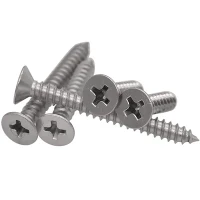
Hey there! I'm a supplier of rivets, and today I'm gonna walk you through the process of rivet manufacturing. It's a pretty interesting journey, and I'm excited to share it with you.
Raw Material Selection
The first step in rivet manufacturing is choosing the right raw materials. Rivets can be made from a variety of materials, including steel, aluminum, copper, and brass. The choice of material depends on the application and the requirements of the end - user. For example, if the rivet needs to be corrosion - resistant, aluminum or stainless steel might be a good choice.
We source high - quality raw materials from reliable suppliers. This ensures that our rivets have the strength and durability needed for different applications. The raw materials usually come in the form of rods or wires, which are then cut into appropriate lengths for further processing.
Cutting and Shaping
Once we have the raw materials, the next step is to cut them into the right size. We use precision cutting tools to ensure that each rivet blank has the correct length. After cutting, the blanks are shaped. This can involve processes like heading and upsetting.
Heading is the process of forming the head of the rivet. We use specialized machinery to apply pressure to one end of the rivet blank, creating the characteristic head shape. Upsetting, on the other hand, is used to increase the diameter of the rivet at one end, which helps in creating a strong joint when the rivet is installed.
Heat Treatment
Heat treatment is an important step in rivet manufacturing. It helps to improve the mechanical properties of the rivets, such as hardness and strength. The heat treatment process involves heating the rivets to a specific temperature and then cooling them at a controlled rate.
There are different types of heat treatment, such as annealing, quenching, and tempering. Annealing is used to soften the rivets, making them easier to work with. Quenching involves rapid cooling, which increases the hardness of the rivets. Tempering is then done to relieve the internal stresses created during quenching and to improve the toughness of the rivets.
Surface Finishing
After heat treatment, the rivets go through a surface finishing process. This is done to protect the rivets from corrosion and to improve their appearance. There are several surface finishing options available, such as plating, painting, and passivation.
Plating involves depositing a thin layer of metal, such as zinc or nickel, on the surface of the rivets. This provides a protective barrier against corrosion. Painting can be used to add color and additional protection. Passivation is a chemical process that forms a protective oxide layer on the surface of the rivets, which helps to prevent corrosion.
Quality Control
Quality control is a crucial part of the rivet manufacturing process. We have a strict quality control system in place to ensure that every rivet meets the required standards. This includes inspecting the rivets for dimensions, surface finish, and mechanical properties.
We use a variety of testing methods, such as dimensional inspection, hardness testing, and tensile testing. Dimensional inspection ensures that the rivets have the correct size and shape. Hardness testing measures the hardness of the rivets, which is an important indicator of their strength. Tensile testing is used to determine the maximum load that the rivets can withstand before breaking.
Packaging and Shipping
Once the rivets have passed the quality control tests, they are ready for packaging. We use high - quality packaging materials to protect the rivets during transportation. The packaging usually includes labels with information about the rivets, such as the size, material, and quantity.
We work with reliable shipping partners to ensure that the rivets are delivered to our customers in a timely and safe manner. We also offer different shipping options to meet the needs of our customers, such as express shipping for urgent orders.
Different Types of Rivets
Now, let me introduce you to some of the different types of rivets we offer.
-
Closed End Blind Rivet: These rivets are great for applications where you need a watertight or airtight seal. They are installed from one side of the material, making them ideal for situations where access to the backside is limited. You can learn more about them Closed End Blind Rivet.
-
Colored Blind Rivets for Metal Panels: If you're looking to add a touch of color to your metal panels, these colored blind rivets are a perfect choice. They not only provide a strong connection but also enhance the aesthetic appeal of the panels. Check them out Colored Blind Rivets for Metal Panels.
-
Steel Hollow Lantern Rivets: These rivets are known for their unique shape and high strength. They are often used in applications where a decorative element is required along with a strong joint. Find out more Steel Hollow Lantern Rivets.
Why Choose Our Rivets
As a rivet supplier, we take pride in offering high - quality rivets at competitive prices. Our manufacturing process is designed to ensure that every rivet meets the highest standards of quality and performance. We have a team of experienced professionals who are dedicated to providing excellent customer service.

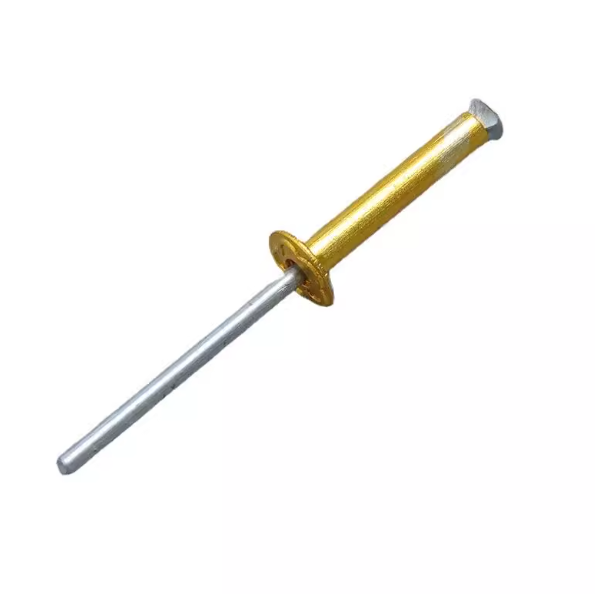
Whether you're a small business or a large corporation, we can meet your rivet needs. We offer a wide range of rivet types and sizes, and we can also customize rivets according to your specific requirements.
If you're in the market for rivets, I encourage you to get in touch with us. We'd love to discuss your needs and provide you with a quote. Whether you need a small quantity for a DIY project or a large order for an industrial application, we've got you covered.
References
Smith, J. (2018). Manufacturing Processes for Engineering Materials, Pearson Education.
Jones, A., & Brown, B. (2020). Handbook of Rivet Technology, McGraw - Hill.