What is the torque for self tapping screws?
Hey there! As a self tapping screw supplier, I get asked a lot about the torque for self tapping screws. It's a crucial topic, and I'm here to break it down for you in a way that's easy to understand.
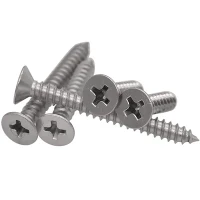
First off, let's talk about what self tapping screws are. These are screws that can create their own threads as they're driven into a material. They're super handy because they save time and effort, especially when you're working on projects where you don't have the luxury of pre - drilling holes.
Now, the torque for self tapping screws is the amount of force needed to turn the screw into the material. It's not a one - size - fits - all situation. The torque required depends on several factors.
One of the main factors is the material you're screwing into. For example, if you're using self tapping screws in softwood, you won't need as much torque as you would in hardwood. Softwood is more malleable, so the screw can cut through it more easily. On the other hand, hardwood is denser and more resistant, so you'll have to apply more force to drive the screw in.
The size of the screw also plays a big role. Larger screws generally require more torque. A small self tapping screw might only need a gentle twist, but a big one could need a significant amount of force. Think about it like trying to turn a small key versus a large one. The large key needs more muscle to get it moving.
Another factor is the type of self tapping screw. Different designs are made for different purposes. For instance, some self tapping screws are designed to be used in metal, while others are for wood. The ones for metal usually need more torque because metal is a tougher material.
Let's take a look at some of the products we offer. We have DIN 7981 Pan Head Self Tapping Screws – Carbon Steel & Stainless Steel. These are great for a variety of applications. The pan head design gives a flat surface when the screw is installed, and they come in both carbon steel and stainless steel. The torque for these screws will vary depending on whether you're using them in metal or wood.
If you're working on a timber or construction project, our Countersunk Torx Drive Structural Wood Screw For Timber & Construction is a great option. The countersunk design allows the screw to sit flush with the surface, and the Torx drive provides better grip, which can affect the torque needed.


For wood and roofing applications, we have the Hex Washer Head Type 17 Self Tapping Screw for Wood and Roofing. The hex washer head gives you more surface area to apply force, and the type 17 design is specifically made for these types of materials.
Now, how do you determine the right torque? Well, there are torque charts available that can give you a general idea. These charts take into account the screw size, the material, and the type of screw. But it's important to note that these are just guidelines. In real - world situations, you might need to adjust the torque based on the specific conditions.
For example, if the material is a bit harder than usual or if there's some debris in the hole, you might need to increase the torque slightly. On the other hand, if the material is softer or the screw is already partially in place, you can reduce the torque.
Using the right tools is also essential. A good quality screwdriver or power drill with adjustable torque settings can make a big difference. If you're using a power drill, make sure you set the torque correctly. Too much torque can strip the threads or damage the material, while too little torque won't get the screw in properly.
When it comes to installation, it's always a good idea to do a test run on a scrap piece of the same material. This way, you can get a feel for the right amount of torque and make any necessary adjustments.
In conclusion, understanding the torque for self tapping screws is crucial for a successful project. Whether you're a DIY enthusiast or a professional contractor, getting the torque right will ensure that your screws are installed properly and securely.
If you're in the market for self tapping screws, we've got a wide range of products to meet your needs. And if you have any questions about torque or any other aspect of our products, don't hesitate to reach out. We're here to help you make the right choice for your project. So, if you're interested in purchasing self tapping screws, feel free to start a conversation with us. We're ready to assist you in finding the perfect screws for your job.
References:
- General knowledge of self - tapping screw technology and industry standards.