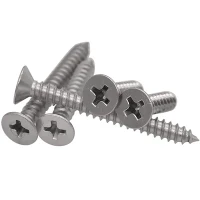
Hey there! As a supplier of rawlplug and rawlbolts, I often get asked about the difference between these two products. So, I thought I'd share some insights to help you understand what sets them apart.
Let's start with rawlplugs. Rawlplugs are basically plastic or fiber inserts that are used to create a secure fixing point in materials like plaster, brick, or wood. They're super handy for things like hanging pictures, shelves, or small fixtures. When you drill a hole in the wall and insert a rawlplug, it expands as you screw in a screw, creating a tight fit that holds the screw in place. This makes it easier to attach things to walls without the risk of the screw pulling out.
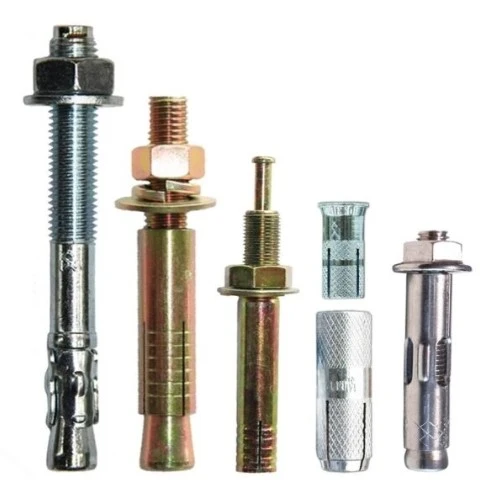
On the other hand, rawlbolts are heavy-duty fasteners designed for more demanding applications. They're typically made of metal, like steel, and are used to secure heavy objects to concrete, masonry, or other solid materials. Rawlbolts work by expanding inside the hole when tightened, creating a strong and reliable connection. They're commonly used in construction projects, industrial settings, and for mounting heavy equipment.
One of the main differences between rawlplugs and rawlbolts is their strength and load-bearing capacity. Rawlplugs are great for light to medium-duty applications, but they may not be suitable for heavy loads. Rawlbolts, on the other hand, are designed to handle much heavier weights and provide a more secure fixing.


Another difference is the installation process. Rawlplugs are relatively easy to install. You just drill a hole, insert the plug, and screw in the screw. It's a quick and straightforward process that doesn't require any special tools. Rawlbolts, on the other hand, may require more specialized tools and a bit more skill to install. You need to drill the correct size hole, insert the bolt, and then tighten it to the appropriate torque.
Let's take a closer look at some specific types of rawlplugs and rawlbolts.
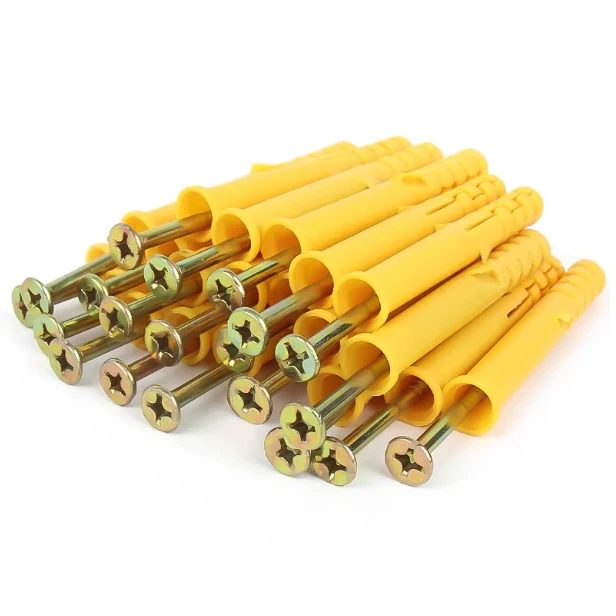
For rawlplugs, there are different types available depending on the material you're working with. For example, if you're working with plaster or drywall, you might use a plastic rawlplug. These are lightweight and easy to install, but they may not be as strong as other types. If you're working with brick or concrete, you might use a fiber or nylon rawlplug. These are more durable and can handle heavier loads.
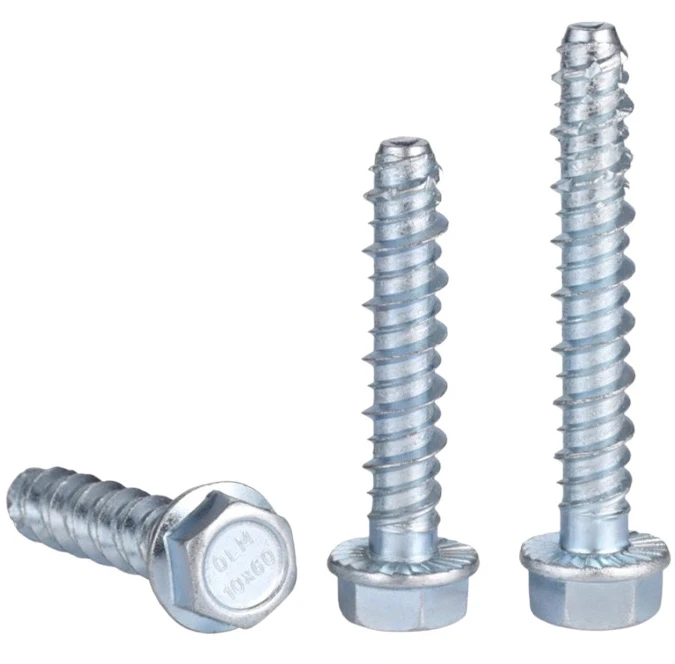
As for rawlbolts, there are several types to choose from as well. One popular type is the Concrete Sleeve Anchor Bolt Manufacturer Expansion Anchor for Heavy Duty Fixing. This type of bolt is designed for heavy-duty applications and provides a strong and reliable connection in concrete. Another type is the Hex Head Concrete Screw Anchors for Concrete & Masonry Fixing. These screws are easy to install and are suitable for a variety of applications in concrete and masonry. And if you're working with hollow walls, you might consider using a Heavy Duty Toggle Bolt Anchor For Hollow Walls Spring Wing Anchor Fastener.
These anchors are designed to provide a secure fixing in hollow walls by expanding behind the wall surface.
So, how do you choose between rawlplugs and rawlbolts? Well, it really depends on your specific needs and the application. If you're working on a small project and need to hang a few pictures or shelves, rawlplugs are probably the way to go. They're easy to install and cost-effective. But if you're working on a larger project or need to secure heavy objects, rawlbolts are the better choice. They provide a stronger and more reliable connection.
In conclusion, rawlplugs and rawlbolts are both important tools for fixing things to walls and other surfaces. They have different strengths and applications, so it's important to choose the right one for your project. If you're not sure which one to use, don't hesitate to reach out to us. We're here to help you find the best solution for your needs.
If you're interested in purchasing rawlplugs or rawlbolts, we'd love to hear from you. We offer a wide range of products at competitive prices, and our team of experts can provide you with the guidance and support you need. Whether you're a DIY enthusiast or a professional contractor, we have the products and expertise to meet your needs. So, don't hesitate to contact us today to discuss your requirements and start your project.
References:
- General knowledge of rawlplug and rawlbolt products and their applications.