Self-tapping screws are versatile fasteners widely used in various industries, from construction and woodworking to automotive and electronics. As a self-tapping screw supplier, we understand the importance of ensuring safety when using these screws. In this blog post, we will discuss some key considerations and best practices to help you use self-tapping screws safely and effectively.


Understanding Self-Tapping Screws
Self-tapping screws are designed to create their own threads as they are driven into a material. This eliminates the need for pre-drilling in many cases, making them a convenient and efficient choice for fastening. However, it's important to choose the right type of self-tapping screw for the specific application to ensure proper performance and safety.
There are several types of self-tapping screws available, each designed for different materials and applications. Some common types include:
- Sheet metal screws: These screws are designed for use in thin metal sheets and have a sharp point and coarse threads to cut into the metal.
- Wood screws: Wood screws are used for fastening wood and have a tapered shank and fine threads to provide a secure hold in the wood.
- Machine screws: Machine screws are used for fastening metal parts and have a uniform diameter and fine threads.
- Drywall screws: Drywall screws are specifically designed for use in drywall and have a bugle head and coarse threads to prevent the drywall from cracking.
-
Safety Considerations
When using self-tapping screws, it's important to follow some basic safety guidelines to prevent accidents and ensure proper installation. Here are some key safety considerations:
- Wear appropriate personal protective equipment (PPE): This includes safety glasses, gloves, and ear protection. Safety glasses will protect your eyes from flying debris, while gloves will protect your hands from sharp edges and screws. Ear protection is recommended if you are using power tools to drive the screws.
-
- Choose the right screw for the application: Make sure you select the appropriate type and size of self-tapping screw for the material you are working with. Using the wrong screw can result in a weak or unstable connection, which can lead to safety hazards.
- Inspect the screws before use: Check the screws for any damage or defects, such as cracks, burrs, or missing threads. Using damaged screws can cause them to break or fail during installation, which can be dangerous.
- Use the right tools: Use a screwdriver or drill that is compatible with the screw head and size. Using the wrong tool can damage the screw or the material you are working with, and can also increase the risk of injury.
- Follow the manufacturer's instructions: Read and follow the manufacturer's instructions for the screws and the tools you are using. This will ensure that you are using the screws correctly and safely.
- Pre-drill if necessary: In some cases, it may be necessary to pre-drill a hole before inserting the self-tapping screw. This can help prevent the material from splitting or cracking, and can also make it easier to drive the screw.
- Do not overtighten the screws: Overtightening the screws can cause them to strip or break, which can weaken the connection and increase the risk of failure. Use a torque wrench or follow the manufacturer's recommended torque settings to ensure that the screws are tightened to the appropriate level.
-
- Keep the work area clean and organized: A cluttered work area can increase the risk of accidents and make it more difficult to work safely. Keep the work area clean and organized, and store the screws and tools in a safe place when not in use.
Best Practices for Using Self-Tapping Screws
In addition to following the safety guidelines, there are some best practices that can help you use self-tapping screws more effectively and safely. Here are some tips:
- Mark the screw holes: Use a pencil or marker to mark the location of the screw holes before drilling or driving the screws. This will help ensure that the screws are installed in the correct position and will make it easier to align the parts.
- Use a pilot hole: If you are working with a hard or brittle material, it may be necessary to use a pilot hole to prevent the material from cracking or splitting. A pilot hole is a small hole that is drilled before the self-tapping screw is inserted.
- Drive the screws straight: Make sure the screw is inserted straight into the material and is driven straight down. This will help prevent the screw from bending or breaking, and will ensure a secure connection.
- Use a washer: In some cases, it may be necessary to use a washer to distribute the load and prevent the screw from pulling through the material. A washer is a flat, circular piece of metal or plastic that is placed between the screw head and the material.
- Check the connection: After the screws are installed, check the connection to make sure it is secure. You can do this by gently tugging on the parts or using a torque wrench to check the tightness of the screws.
-
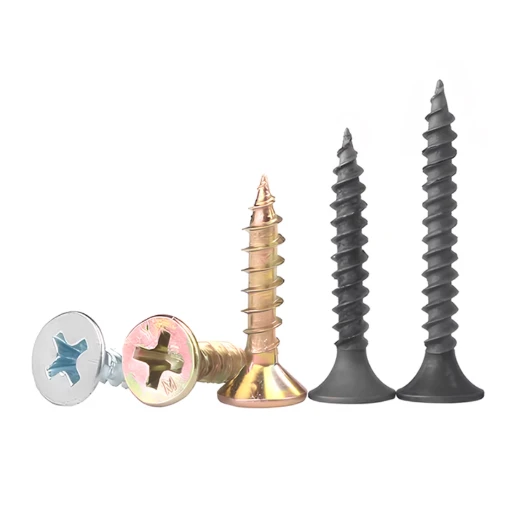
Product Recommendations
As a self-tapping screw supplier, we offer a wide range of high-quality self-tapping screws for various applications. Here are some of our recommended products:
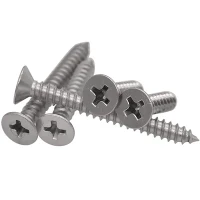
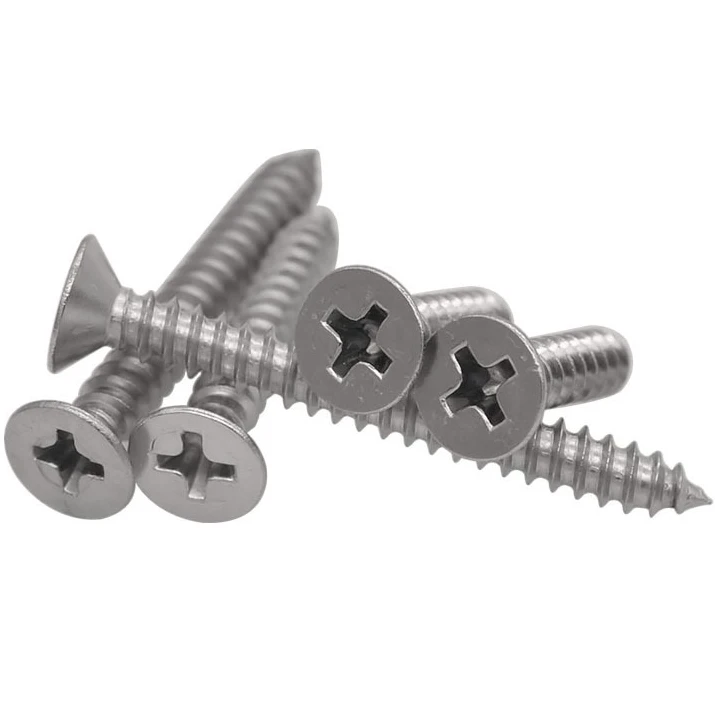
- DIN 7982 Countersunk Self Tapping Screws Hardened Zinc Plated: These screws are made of hardened steel and are zinc plated for corrosion resistance. They have a countersunk head and a cross recess for easy installation.
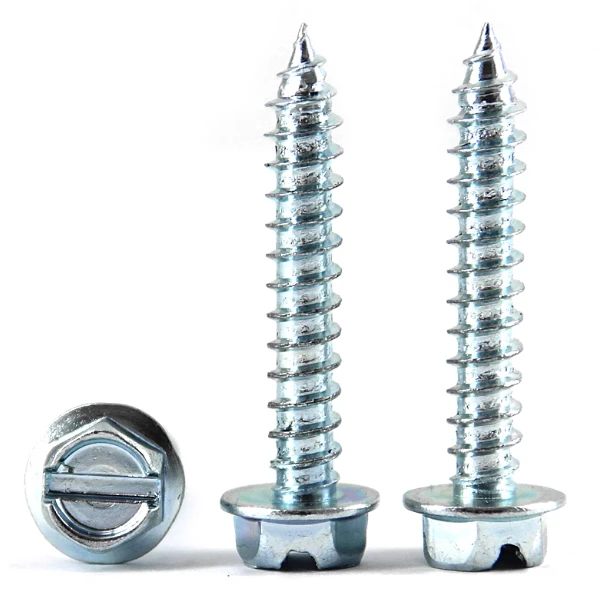
- Slotted Hex Drive Screws with Integrated Washer for Metal Fixing: These screws are designed for use in metal and have a slotted hex drive for easy installation. They also have an integrated washer to distribute the load and prevent the screw from pulling through the material.
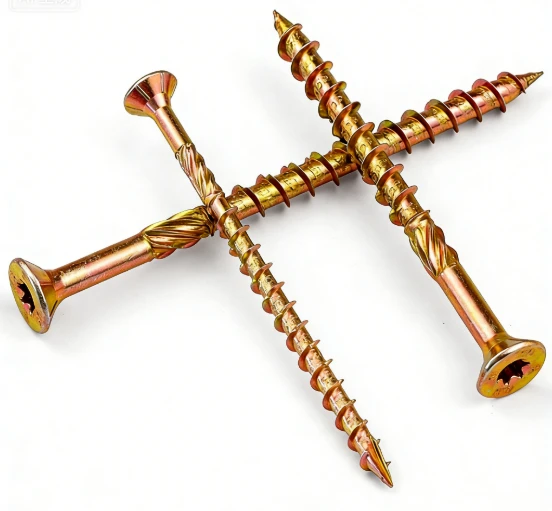
- Countersunk Torx Drive Structural Wood Screw For Timber & Construction: These screws are designed for use in wood and have a countersunk head and a Torx drive for easy installation. They are made of high-strength steel and are suitable for structural applications.
Conclusion
Using self-tapping screws safely and effectively requires careful consideration and following best practices. By choosing the right type of screw for the application, following the safety guidelines, and using the right tools, you can ensure a secure and reliable connection. As a self-tapping screw supplier, we are committed to providing high-quality products and excellent customer service. If you have any questions or need assistance with your self-tapping screw needs, please contact us to discuss your requirements and explore our product offerings.
References
- ASTM International. (2021). Standard Specification for Steel Self-Tapping Screws. ASTM F593-19.
- Fastener Training Institute. (2021). Self-Tapping Screws: A Guide to Selection and Use.
- Machinery's Handbook. (2021). 31st Edition. Industrial Press, Inc.