


The fatigue life of closed end blind rivets is a critical aspect that significantly impacts their performance in various applications. As a leading supplier of closed end blind rivets, we understand the importance of this characteristic and are committed to providing high - quality products with excellent fatigue resistance.
Understanding Closed End Blind Rivets
Closed end blind rivets are a type of fastener used in applications where a sealed joint is required. They are designed to be installed from one side of the material, making them ideal for situations where access to the backside is limited. The closed end design provides a barrier against moisture, dirt, and other contaminants, which is crucial in applications such as automotive, aerospace, and marine industries.
These rivets consist of a mandrel and a rivet body. When the mandrel is pulled, it deforms the rivet body, creating a secure joint. The closed end of the rivet ensures that no debris can enter the joint, which helps to maintain the integrity of the connection over time.
Factors Affecting the Fatigue Life of Closed End Blind Rivets
Material Properties
The material used to manufacture closed end blind rivets plays a vital role in determining their fatigue life. Common materials include aluminum, steel, and stainless steel. Each material has its own unique properties that affect fatigue resistance.
Aluminum is lightweight and corrosion - resistant, making it suitable for applications where weight is a concern. However, it may have lower fatigue strength compared to steel. Steel, on the other hand, offers high strength and good fatigue resistance, but it is heavier and more prone to corrosion if not properly coated. Stainless steel combines the benefits of corrosion resistance and high strength, providing excellent fatigue performance in harsh environments.
Installation Quality
Proper installation is essential for maximizing the fatigue life of closed end blind rivets. Incorrect installation, such as under - or over - tightening the mandrel, can lead to uneven stress distribution in the rivet and the connected materials. This can result in premature fatigue failure.
During installation, it is important to ensure that the rivet is inserted into the correct hole size. A hole that is too large or too small can affect the clamping force and the overall integrity of the joint. Additionally, the mandrel should be pulled with the appropriate force to ensure proper deformation of the rivet body.
Load Conditions
The type and magnitude of the loads applied to the riveted joint also influence the fatigue life. There are two main types of loads: static and dynamic. Static loads are constant and do not change over time, while dynamic loads fluctuate, such as vibrations or cyclic loading.
Dynamic loads are more likely to cause fatigue failure in closed end blind rivets. For example, in automotive applications, the rivets may be subjected to vibrations from the engine and the road surface. These cyclic loads can cause cracks to initiate and propagate in the rivet, eventually leading to failure.
Testing and Evaluation of Fatigue Life
To determine the fatigue life of closed end blind rivets, various testing methods are used. One common method is the fatigue testing machine, which applies cyclic loads to the riveted joint until failure occurs. The number of cycles to failure is recorded, and this data is used to estimate the fatigue life of the rivet under specific load conditions.
Another approach is finite element analysis (FEA). FEA is a computer - based simulation technique that can predict the stress distribution and fatigue life of the rivet without the need for physical testing. By inputting the material properties, geometry, and load conditions into the FEA software, engineers can analyze the behavior of the rivet and optimize its design for better fatigue performance.
Our Commitment as a Supplier
As a supplier of closed end blind rivets, we are dedicated to providing products with long fatigue life. We use high - quality materials and advanced manufacturing processes to ensure the reliability of our rivets. Our quality control team conducts rigorous testing on every batch of rivets to guarantee that they meet or exceed industry standards.
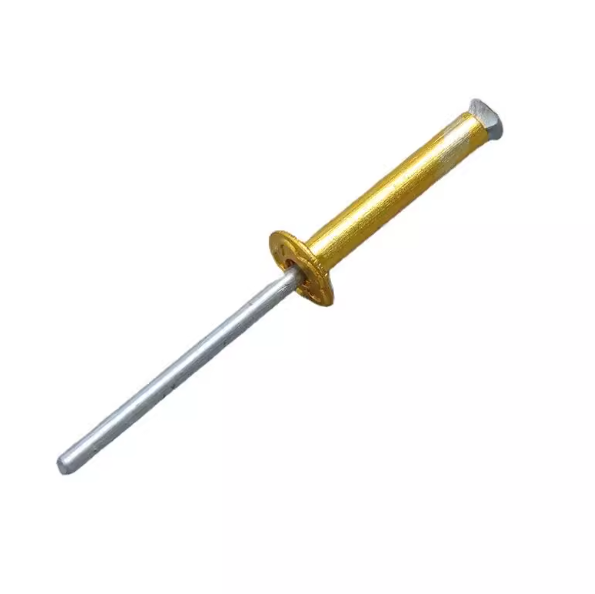
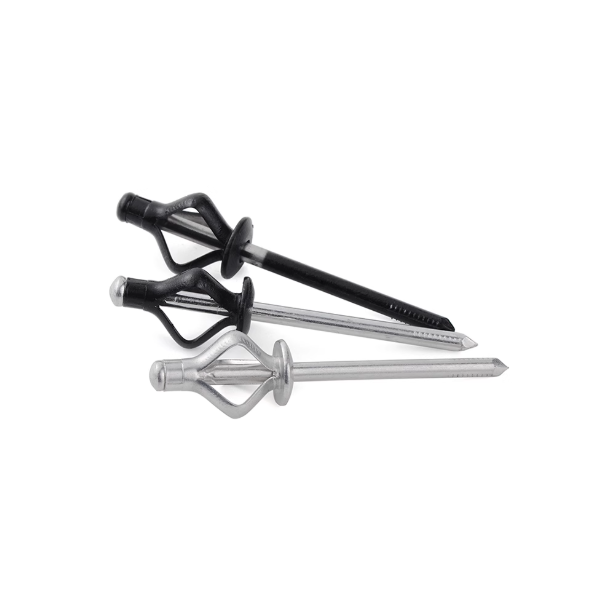
We also offer a wide range of products to meet the diverse needs of our customers. For those looking for a more aesthetic option, we have Painted Color Blind Rivets, which not only provide a secure joint but also enhance the appearance of the finished product. If you need a different type of rivet, our Open End Type Aluminium Pop Blind Rivet is a popular choice for applications where a non - sealed joint is acceptable. And for specialized applications, our Lantern Rivet offers unique features and performance.
Importance of Fatigue Life in Different Industries
Automotive Industry
In the automotive industry, closed end blind rivets are used in various components, such as body panels, interior trim, and engine parts. The fatigue life of these rivets is crucial because the vehicle is constantly subjected to vibrations and dynamic loads. A rivet with a short fatigue life can lead to loose joints, which can cause noise, rattling, and even safety issues.
Aerospace Industry
The aerospace industry has extremely high requirements for the reliability of fasteners. Closed end blind rivets are used in aircraft structures, where they must withstand high - stress conditions and cyclic loading during flight. A fatigue failure of a rivet in an aircraft can have catastrophic consequences, so the fatigue life of these rivets is of utmost importance.
Marine Industry
In the marine environment, closed end blind rivets are exposed to saltwater, which can cause corrosion. The fatigue life of the rivets is affected by both the corrosive environment and the dynamic loads from waves and ship movements. A long - lasting rivet is essential to ensure the structural integrity of the vessel.
How to Extend the Fatigue Life of Closed End Blind Rivets
Select the Right Material
Based on the application requirements, choose the appropriate material for the closed end blind rivets. Consider factors such as the load conditions, the environment, and the weight limitations. For example, in a corrosive environment, stainless steel rivets may be the best choice.
Follow Proper Installation Procedures
Train your installation personnel to follow the correct installation procedures. Use the right tools and ensure that the rivets are installed with the proper force and in the correct hole size. This will help to ensure even stress distribution and a secure joint.
Regular Inspection and Maintenance
Periodically inspect the riveted joints for signs of fatigue, such as cracks or loose connections. If any issues are detected, replace the rivets immediately. Regular maintenance can help to prevent premature fatigue failure and extend the service life of the rivets.
Conclusion
The fatigue life of closed end blind rivets is a complex but crucial factor that affects their performance in various industries. As a supplier, we are committed to providing high - quality rivets with excellent fatigue resistance. By understanding the factors that influence fatigue life and taking appropriate measures to extend it, our customers can ensure the reliability and safety of their products.
If you are interested in purchasing our closed end blind rivets or have any questions about their fatigue life, please feel free to contact us for further discussion and procurement negotiation. We look forward to serving you and meeting your fastening needs.
References
- "Mechanical Fasteners Handbook" by John H. Bickford
- "Fatigue of Materials" by Suresh S.


