


Testing the strength of a hex nut is crucial, especially when you're in the business of supplying these essential fasteners like I am. As a hex nut supplier, I've seen firsthand how important it is to ensure that the nuts we offer meet the required strength standards. In this blog, I'll share some practical methods to test the strength of hex nuts and why it matters.
Why Test Hex Nut Strength?
Before diving into the testing methods, let's understand why strength testing is so vital. Hex nuts are used in a wide range of applications, from simple household items to heavy - duty industrial machinery. A weak nut can lead to joint failure, which can be dangerous in high - stress environments. For example, in automotive or aerospace applications, a nut that fails under pressure can cause serious accidents. As a supplier, we need to guarantee that our customers get products that are reliable and safe.
Tensile Testing
One of the most common ways to test the strength of a hex nut is through tensile testing. This method measures the maximum amount of tensile (pulling) force a nut can withstand before it fails.
- Prepare the Test Sample
First, you need to select a representative sample of the hex nuts you want to test. It's important to pick nuts randomly from a production batch to ensure the results are accurate. For example, if you have a large production run of DIN934 Hex Nuts, you should pick at least 5 - 10 nuts for testing. - Set up the Tensile Testing Machine
Most modern tensile testing machines are digital and easy to operate. You'll need to attach the nut to the machine using appropriate fixtures. The machine should be set to pull the nut at a constant rate, usually according to the relevant testing standards such as ASTM or ISO. - Conduct the Test
Start the testing machine and let it apply a gradually increasing tensile force to the nut. As the force increases, monitor the load and the elongation of the nut. The machine will record the maximum force the nut can bear before it breaks. This maximum force is the tensile strength of the nut.
Hardness Testing
Hardness is another important factor that affects the strength of a hex nut. A nut that's too soft may deform easily, while one that's too hard may be brittle and prone to cracking.
- Choose the Right Hardness Testing Method
There are several hardness testing methods available, such as the Rockwell, Brinell, and Vickers methods. The Rockwell method is often used for hex nuts because it's relatively quick and easy. - Prepare the Nut for Testing
The surface of the nut needs to be clean and smooth for accurate hardness testing. You may need to polish the nut slightly to remove any surface irregularities or contaminants. - Perform the Hardness Test
Using a Rockwell hardness tester, press an indenter into the surface of the nut with a specific load. The depth of the indentation is then measured, and this measurement is used to determine the hardness of the nut. The hardness value can give you an idea of the nut's ability to resist deformation and wear.
Shear Testing
Shear testing is used to measure the nut's resistance to forces that try to cut or slide the nut along a plane. This type of testing is important in applications where lateral forces are applied to the nut.
- Test Setup
A shear testing fixture is used to hold the nut in place. The fixture is designed to apply a shear force to the nut at a specific location. For example, if you're testing a Hex Thin Nut, the fixture should be adjusted to apply the shear force evenly across the nut's cross - section. - Apply the Shear Force
The testing machine gradually applies a shear force to the nut until it fails. The maximum shear force the nut can withstand is recorded as the shear strength.
Impact Testing
In some applications, hex nuts may be subjected to sudden impacts. Impact testing helps to determine how well a nut can withstand these shock loads.
- Charpy or Izod Impact Test
The Charpy and Izod impact tests are commonly used for this purpose. In these tests, a notched nut is struck by a pendulum - like hammer. The energy absorbed by the nut during the impact is measured. A higher energy absorption indicates better impact resistance. - Interpret the Results
The results of the impact test can help you understand if the nut is suitable for applications where it may be exposed to impact forces. For example, in construction equipment where nuts may be hit by falling objects, a nut with high impact resistance is essential.
Testing Standards and Certification
When testing hex nut strength, it's important to follow established testing standards such as ASTM, ISO, or DIN. These standards provide detailed guidelines on how to conduct the tests, what equipment to use, and how to interpret the results.
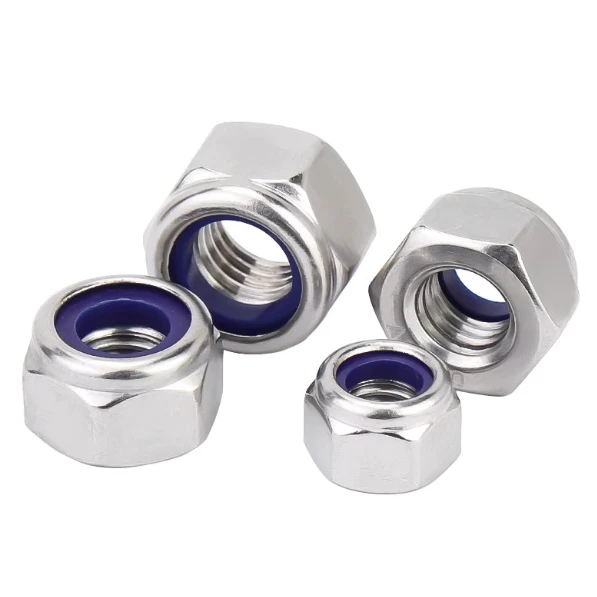
As a supplier, we ensure that our hex nuts meet these standards. For example, our DIN985 Nylon Lock Nut is manufactured and tested according to the relevant DIN standards. Meeting these standards not only guarantees the quality of our products but also gives our customers confidence in their purchase.
Importance of Regular Testing
We don't just test our hex nuts once. Regular testing is necessary to ensure that the quality of our products remains consistent over time. Changes in raw materials, manufacturing processes, or environmental conditions can all affect the strength of the nuts. By conducting regular tests, we can detect any potential issues early and take corrective actions.
Contact for Quality Hex Nuts
If you're in the market for high - quality hex nuts, I invite you to reach out. We have a wide range of hex nuts available, all of which are rigorously tested to meet the highest strength standards. Whether you need a small quantity for a DIY project or a large order for an industrial application, we can cater to your needs. Don't hesitate to get in touch to discuss your requirements and start a purchase negotiation.
References
- ASTM International Standards for Fasteners Testing
- ISO Standards for Nuts and Bolts Testing
- DIN Standards for Hex Nuts






