


As a coupling nut supplier, ensuring the correct thread engagement of a coupling nut is crucial for the performance and safety of various mechanical systems. In this blog, I will share some key methods and considerations to guarantee proper thread engagement.
Understanding Thread Engagement
Thread engagement refers to the length of contact between the threads of the coupling nut and the mating bolt or stud. Adequate thread engagement is essential to prevent loosening, ensure load - bearing capacity, and maintain the integrity of the connection. Insufficient thread engagement can lead to premature failure, such as nut loosening, shearing of threads, or even catastrophic failure of the entire assembly.
Selecting the Right Coupling Nut
The first step in ensuring correct thread engagement is to choose the appropriate coupling nut for the application. We offer a wide range of coupling nuts, including Round Coupling Nut and Hex Coupling Nuts. Different types of coupling nuts are designed for specific applications, and selecting the right one is the foundation for proper thread engagement.

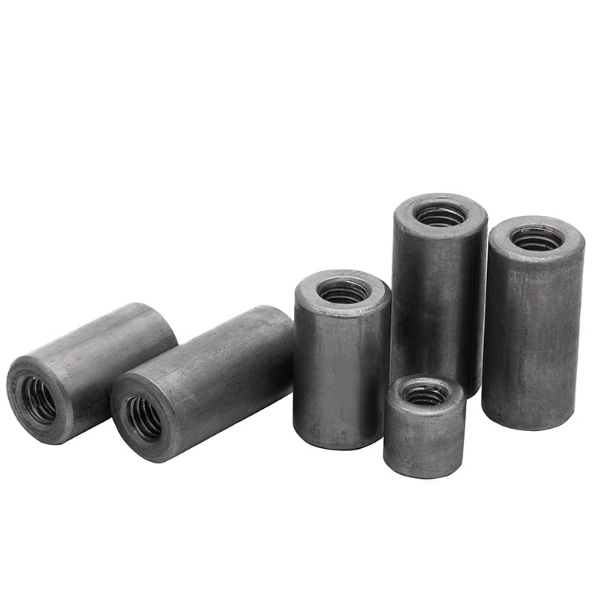
When choosing a coupling nut, consider the following factors:
- Thread Size and Pitch: The thread size and pitch of the coupling nut must match the mating bolt or stud. Using a nut with an incorrect thread size or pitch will result in improper engagement and may cause damage to the threads.
- Material: The material of the coupling nut should be compatible with the mating parts and the operating environment. For example, in corrosive environments, stainless - steel or other corrosion - resistant materials may be required.
- Strength Rating: The strength rating of the coupling nut should be sufficient to withstand the expected loads. Higher - strength nuts are typically used in applications with heavy loads or high - stress conditions.
Pre - installation Inspection
Before installing the coupling nut, a thorough inspection of both the nut and the mating bolt or stud is necessary.
- Thread Condition: Check the threads of the coupling nut and the mating part for any damage, such as nicks, burrs, or galling. Damaged threads can prevent proper engagement and may lead to premature failure. If any damage is found, the damaged parts should be replaced.
- Diameter and Pitch: Use a thread gauge to verify that the thread diameter and pitch of the nut and the mating part are correct. This ensures that the threads will mesh properly during installation.
Installation Process
The installation process plays a vital role in achieving correct thread engagement.
- Alignment: Ensure that the coupling nut is properly aligned with the mating bolt or stud. Misalignment can cause the threads to cross - thread, which means the threads do not engage correctly. Cross - threading can damage the threads and make it difficult or impossible to achieve proper engagement.
- Initial Thread Engagement: Start the nut by hand to ensure that the threads start to engage smoothly. Do not use excessive force when starting the nut. If the nut does not turn easily, stop and check for misalignment or damaged threads.
- Tightening Torque: Once the nut is hand - tightened, use a torque wrench to tighten the nut to the recommended torque value. The recommended torque value can be found in engineering standards or provided by the manufacturer. Over - tightening can damage the threads or cause the nut to deform, while under - tightening can result in insufficient thread engagement and loosening over time.
Quality Control and Testing
To ensure the quality of the coupling nuts and the correctness of thread engagement, we implement a strict quality control system.
- Manufacturing Quality: During the manufacturing process, we use advanced production techniques and strict quality control measures to ensure that the coupling nuts meet the required standards. This includes precise machining of the threads to ensure the correct thread size, pitch, and surface finish.
- Testing: We conduct various tests on the coupling nuts, such as thread fit tests and torque tests. These tests help to verify the quality of the threads and ensure that the nuts can achieve proper thread engagement under different conditions.
Maintenance and Monitoring
Even after proper installation, regular maintenance and monitoring are necessary to ensure the continued correct thread engagement of the coupling nut.
- Visual Inspection: Periodically inspect the coupling nut and the mating part for signs of wear, damage, or loosening. If any issues are found, take appropriate measures, such as tightening the nut or replacing the damaged parts.
- Torque Checks: Periodically check the torque of the coupling nut to ensure that it remains within the recommended range. Over time, vibrations and other factors can cause the nut to loosen, so regular torque checks are essential.
Conclusion
Ensuring the correct thread engagement of a coupling nut is a multi - step process that involves proper selection, pre - installation inspection, correct installation, quality control, and maintenance. As a coupling nut supplier, we are committed to providing high - quality products and technical support to help our customers achieve reliable and safe connections.
If you are interested in our coupling nuts or have any questions about thread engagement, please feel free to contact us for further discussion and potential procurement opportunities. We look forward to working with you to meet your specific needs.
References
- Machinery's Handbook, 31st Edition
- ASME B1.1 - 2019, Unified Inch Screw Threads (UN and UNR Thread Form)
- ISO 68 - 1:1998, ISO general purpose screw threads -- Basic profile -- Part 1: Metric screw threads


