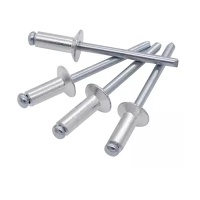
Hey there! As a supplier of Hex Head Lag Screws, I've seen these little powerhouses in action across a bunch of different industries. In this blog, I'm gonna break down the industries that commonly use hex head lag screws and why they're so popular.
Construction Industry
First up, the construction industry. It's probably the biggest user of hex head lag screws. Builders rely on these screws for a whole bunch of tasks, from framing to decking. Why? Well, hex head lag screws are super strong. They've got a thick, coarse thread that bites deep into wood, making a really secure connection.


When you're building a house, you need to make sure everything is held together tightly. Hex head lag screws are perfect for attaching beams, joists, and rafters. They can handle a lot of weight and stress, which is crucial in a building's structure. For example, when constructing a deck, these screws are used to attach the deck boards to the joists. The hex head design allows for easy tightening with a wrench, and the lag screw's length and diameter can be chosen according to the specific load requirements. You can check out our Hex Head Lag Screws for a wide range of options suitable for construction projects.
Furniture Manufacturing
Next on the list is furniture manufacturing. Whether it's making a simple bookshelf or a fancy dining table, hex head lag screws play an important role. Furniture needs to be sturdy and well - built, and these screws help achieve that. They're used to assemble different parts of the furniture, like attaching legs to a tabletop or joining the sides of a cabinet.
The advantage of using hex head lag screws in furniture is that they provide a strong and long - lasting connection. Unlike nails, which can loosen over time, lag screws stay in place. Also, the hex head gives a clean and professional look. Some furniture manufacturers also use Slotted Hex Washer Head Self - Tapping Screws for more precise and easier assembly, especially in smaller or more delicate pieces.
Outdoor and Garden Structures
If you've ever built a shed, a pergola, or a playhouse in your backyard, you know how important hex head lag screws are. These outdoor structures are exposed to the elements, so they need to be built to last. Hex head lag screws are resistant to corrosion, especially if they're made from materials like stainless steel or coated with a protective finish.
When building a shed, for example, you use lag screws to attach the frame to the foundation and to join the wall panels together. The coarse thread of the lag screw ensures a tight grip in the wood, even when the wood expands and contracts due to changes in temperature and humidity. Blue White Zinc Chipboard Screw is another option that can be used in some outdoor projects, and you can find more about them on our Blue White Zinc Chipboard Screw page.
Agricultural Industry
In the agricultural industry, hex head lag screws are used for a variety of purposes. They're used to build barns, fences, and equipment. Barns need to be strong to protect livestock and equipment from the elements and potential damage. Lag screws are used to assemble the wooden frames of the barns, ensuring that the structure can withstand strong winds and heavy snow loads.
Fences are also an important part of agriculture, used to keep animals in or out. Hex head lag screws are used to attach the fence posts to the rails, creating a durable and secure fence. In addition, some agricultural equipment, like tractors and combines, may use lag screws in their assembly or for repairs.
Marine Industry
The marine industry also makes use of hex head lag screws. Boats and docks are constantly exposed to water, so corrosion resistance is a must. Stainless steel hex head lag screws are commonly used in this industry. They're used to build and repair boat decks, cabins, and docks.
When building a boat deck, lag screws are used to attach the deck planks to the frame. The strength and durability of the lag screws are essential to ensure the safety of the people on the boat. Similarly, for docks, lag screws are used to secure the dock boards to the pilings, providing a stable surface for boats to tie up.
Electrical and Telecommunication Industry
In the electrical and telecommunication industry, hex head lag screws are used for mounting equipment. Electrical panels, transformers, and communication towers all need to be securely attached to their supports. Lag screws provide a reliable way to do this.
For example, when installing an electrical panel on a wall, lag screws are used to attach the panel to the wall studs. The hex head design allows for easy installation and removal, which is important for maintenance and upgrades.
Automotive and Machinery Industry
In the automotive and machinery industry, hex head lag screws are used in the assembly and repair of vehicles and machinery. They're used to attach various components, like engine parts, body panels, and brackets.
The strength and precision of hex head lag screws are crucial in this industry. They need to be able to withstand high levels of vibration and stress. For example, in a car engine, lag screws may be used to attach the cylinder head to the engine block, ensuring a tight and leak - free seal.
Conclusion
As you can see, hex head lag screws are incredibly versatile and are used in a wide range of industries. Whether it's construction, furniture manufacturing, outdoor structures, or any of the other industries we've talked about, these screws play an important role in creating strong and durable connections.
If you're in need of high - quality hex head lag screws or any of our other screw products, don't hesitate to reach out. We're here to help you find the right screws for your project. Whether you're a professional builder, a DIY enthusiast, or a business owner, we've got the products and expertise to meet your needs. Contact us today to start a procurement discussion and get the best screws for your next project.
References
- "Fasteners in Construction: A Guide to Selection and Use", Construction Materials Handbook
- "Furniture Manufacturing Techniques", Woodworking Magazine
- "Marine Fasteners: Corrosion Resistance and Performance", Marine Technology Journal
- "Automotive Fasteners: Design and Application", Automotive Engineering Review