Can a coupling nut be used in a medical device? This is a question that often arises in the medical industry, and as a coupling nut supplier, I'm excited to delve into this topic.
The Basics of Coupling Nuts
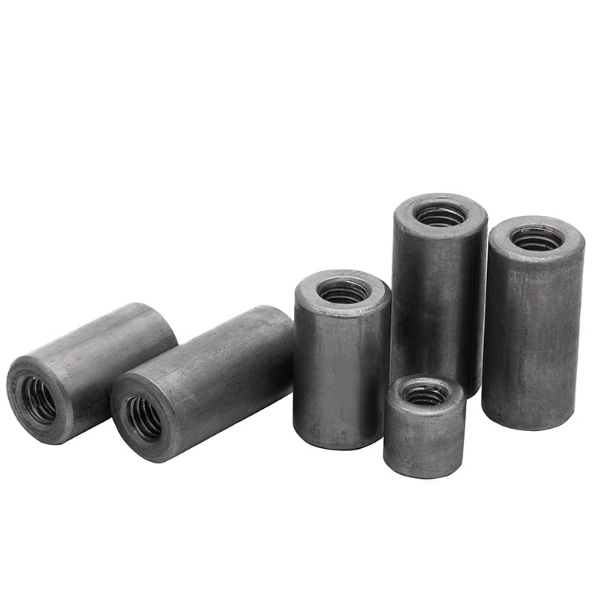
Coupling nuts are mechanical fasteners designed to connect two threaded rods or bolts. They come in various shapes and sizes, with the Hex Coupling Nuts and Round Coupling Nut being two common types. Hex coupling nuts have a hexagonal shape, which allows for easy tightening and loosening using a wrench. Round coupling nuts, on the other hand, have a circular shape and are often used in applications where a more streamlined appearance is desired.
Requirements for Medical Devices
Medical devices are subject to strict regulations and standards to ensure their safety and effectiveness. When considering the use of coupling nuts in medical devices, several factors need to be taken into account.

Material Compatibility
The material of the coupling nut must be biocompatible, meaning it does not cause an adverse reaction when in contact with the human body. Common materials used in medical applications include stainless steel, titanium, and certain polymers. Stainless steel is a popular choice due to its corrosion resistance, strength, and relatively low cost. Titanium is also widely used, especially in applications where high strength and low weight are required.
Sterilization
Medical devices need to be sterilized to prevent the spread of infection. The coupling nut must be able to withstand the sterilization process without losing its mechanical properties. Common sterilization methods include autoclaving, ethylene oxide sterilization, and gamma irradiation. Different materials have different levels of resistance to these sterilization methods, so it's important to choose a material that is compatible with the intended sterilization process.
Precision and Tolerance
Medical devices often require high precision and tight tolerances. The coupling nut must be manufactured to meet these specifications to ensure proper fit and function. This means that the threads must be accurately machined and the dimensions must be within the specified tolerance range.
Safety and Reliability
The coupling nut must be designed and manufactured to ensure the safety and reliability of the medical device. This includes factors such as preventing loosening during use, withstanding the forces applied during normal operation, and providing a secure connection.
Applications of Coupling Nuts in Medical Devices
Despite the strict requirements, coupling nuts can be used in a variety of medical devices. Here are some examples:
Surgical Instruments
Coupling nuts can be used to connect different parts of surgical instruments, such as handles and blades. They provide a secure and reliable connection, allowing for precise control during surgery.
Medical Equipment
In medical equipment, coupling nuts can be used to assemble various components, such as frames, supports, and adjustment mechanisms. They help to ensure the stability and functionality of the equipment.
Prosthetics
In prosthetic devices, coupling nuts can be used to connect different parts of the prosthesis, such as the socket and the limb. They provide a strong and adjustable connection, allowing for a customized fit.
Challenges and Considerations
While coupling nuts can be used in medical devices, there are some challenges and considerations that need to be addressed.
Cost
The cost of using coupling nuts in medical devices can be relatively high, especially when considering the need for high-quality materials and precision manufacturing. This can be a significant factor for medical device manufacturers, especially those operating on a tight budget.
Regulatory Compliance
Meeting the regulatory requirements for medical devices can be a complex and time-consuming process. As a coupling nut supplier, it's important to work closely with medical device manufacturers to ensure that the coupling nuts meet all the necessary regulations and standards.
Design and Customization
Medical devices often require custom-designed coupling nuts to meet specific requirements. This can involve working with the manufacturer to develop a unique design that meets the device's functionality, safety, and aesthetic requirements.
Conclusion
In conclusion, coupling nuts can be used in medical devices, but it's important to carefully consider the material, sterilization, precision, and safety requirements. As a coupling nut supplier, we are committed to providing high-quality products that meet the strict standards of the medical industry. If you are a medical device manufacturer looking for reliable coupling nuts, we would be happy to discuss your specific needs and provide you with a customized solution. Please feel free to contact us to start a procurement discussion.
References
- ASTM International. (2023). Standard Specification for Stainless Steel Fasteners. ASTM F593-18.
- ISO 10993-1:2018. Biological evaluation of medical devices — Part 1: Evaluation and testing within a risk management process.
- U.S. Food and Drug Administration. (2023). Medical Device Regulations.