Can rivets be used in food - processing equipment?
Hey there! I'm a supplier of rivets, and I often get asked whether rivets can be used in food - processing equipment. Well, let's dig into this topic and find out.

First off, we need to understand the requirements for materials used in food - processing equipment. The main concerns are safety, hygiene, and durability. Food - processing equipment is in direct contact with food, so any material used must not contaminate the food. It should also be easy to clean to prevent the growth of bacteria and other harmful microorganisms. And of course, it needs to withstand the rigors of the food - processing environment, including exposure to various chemicals, high temperatures, and mechanical stress.
When it comes to rivets, there are several factors to consider. The material of the rivet is crucial. For food - processing equipment, we typically look for materials that are non - toxic, corrosion - resistant, and food - grade. Stainless steel is a popular choice. It's strong, durable, and doesn't react with food or most cleaning agents. It can resist corrosion from moisture, acids, and alkalis, which are common in food - processing operations.
Aluminum is another option. It's lightweight, has good thermal conductivity, and is also relatively corrosion - resistant. However, it may not be as strong as stainless steel in some applications. But for certain parts of food - processing equipment where strength isn't the primary concern, aluminum rivets can work well.
Now, let's talk about the types of rivets. Blind rivets are often used in food - processing equipment. They can be installed from one side of the material, which is very convenient, especially when access to both sides of the equipment is limited.
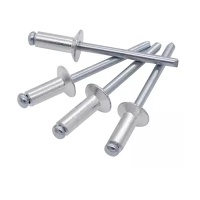
One type of blind rivet is the Open End Type Aluminium Pop Blind Rivet. These rivets are made of aluminum, which as I mentioned earlier, has its advantages. They're easy to install and can provide a secure connection. They're great for applications where you need a relatively quick and simple fastening solution.
Another type is the Countersunk Head Blind Rivet. These rivets have a countersunk head, which means they sit flush with the surface of the material. This is important in food - processing equipment because it reduces the chances of food getting trapped around the rivet, making it easier to clean.
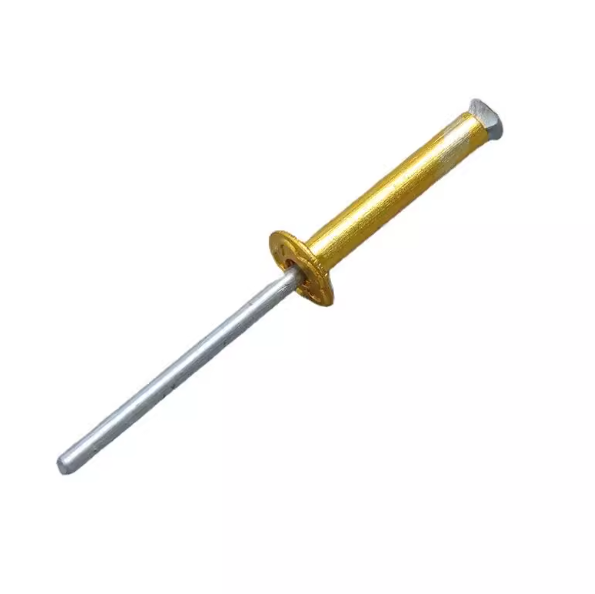
We also have Painted Color Blind Rivets. These can be used for aesthetic purposes or to provide an extra layer of protection. However, when using painted rivets in food - processing equipment, we need to make sure that the paint is food - grade and won't flake off into the food.
But it's not just about the type and material of the rivet. The installation process also matters. Proper installation ensures that the rivet provides a strong and secure connection. If a rivet is not installed correctly, it can come loose over time, which can be a safety hazard in food - processing equipment. It can also lead to contamination if the loose rivet falls into the food.
In addition to the technical aspects, there are also regulatory requirements. Different countries and regions have their own regulations regarding the use of materials in food - processing equipment. For example, in the United States, the Food and Drug Administration (FDA) has specific guidelines for materials that come into contact with food. As a rivet supplier, I make sure that all our products meet these regulatory standards.
So, can rivets be used in food - processing equipment? The answer is yes, but with some important considerations. We need to choose the right material, the right type of rivet, and ensure proper installation. By doing so, rivets can be a reliable and safe fastening solution for food - processing equipment.
If you're in the market for rivets for your food - processing equipment, I'd love to have a chat with you. Whether you need stainless steel rivets, aluminum rivets, or any other type, I can provide you with high - quality products that meet all the necessary safety and regulatory standards. Don't hesitate to reach out and start a conversation about your specific needs.
References:
- Food and Drug Administration (FDA) guidelines on materials for food - contact surfaces.
- Industry standards for food - processing equipment construction.