


Hey there! As a coupling nut supplier, I've seen firsthand how crucial it is to optimize the installation process of these little but mighty components. Coupling nuts are used to join two male threads together, and they're found in all sorts of applications, from automotive to plumbing and beyond. In this blog post, I'm going to share some tips and tricks on how to make the installation of coupling nuts as smooth and efficient as possible.
Understanding Your Coupling Nuts
Before you start the installation process, it's important to understand the type of coupling nuts you're working with. There are different shapes and sizes available, and each has its own unique characteristics. For example, Round Coupling Nut offer a more streamlined look and are often used in applications where aesthetics matter. On the other hand, Hex Coupling Nuts provide a better grip and are easier to tighten with a wrench, making them a popular choice for heavy - duty applications.
Make sure you've got the right size and type of coupling nut for your project. Check the thread pitch and diameter to ensure a proper fit. Using the wrong coupling nut can lead to leaks, loose connections, or even damage to the components you're trying to join.
Pre - installation Preparation
First things first, clean the male threads of the components you're going to connect. Any dirt, debris, or rust on the threads can interfere with the installation and compromise the integrity of the connection. You can use a wire brush or a thread cleaner to get the threads nice and clean.

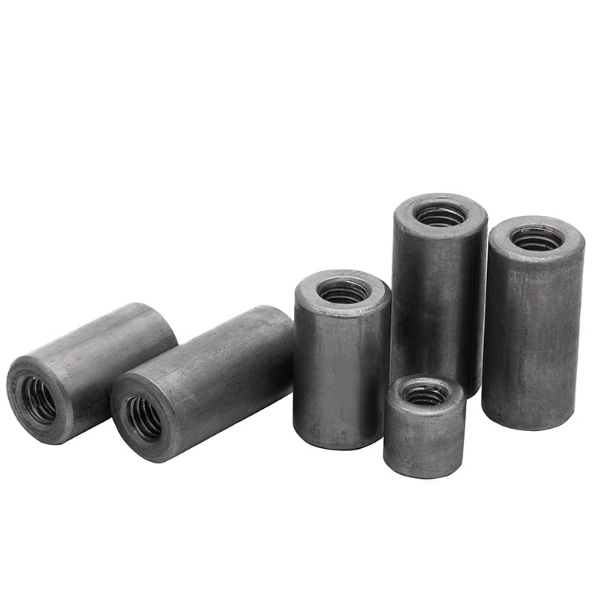
Next, apply a small amount of lubricant to the threads. This can make the installation process much easier by reducing friction. There are different types of lubricants available, such as anti - seize compounds or thread - sealant tape. Anti - seize compounds are great for preventing corrosion and making it easier to remove the coupling nut in the future, while thread - sealant tape is commonly used in plumbing applications to prevent leaks.
The Installation Process
Now it's time to start installing the coupling nut. Begin by hand - tightening the nut onto one of the male threads. This helps to ensure that the nut starts straight and prevents cross - threading. Cross - threading is when the threads of the nut and the male component don't align properly, which can cause serious problems and may even require you to cut off and replace the damaged threads.
Once the nut is hand - tight, use a wrench to finish tightening it. Make sure you're using the correct size wrench for the coupling nut. A wrench that's too big or too small can slip and cause injury or damage to the nut or the components. Tighten the nut until it's snug, but be careful not to over - tighten it. Over - tightening can strip the threads or damage the components, especially if they're made of softer materials like aluminum or plastic.
In some cases, you may need to use a torque wrench to ensure that the coupling nut is tightened to the correct specifications. This is particularly important in applications where precise torque is required, such as in automotive engines or aerospace components.
Post - installation Checks
After you've installed the coupling nut, give it a quick visual inspection. Make sure it's properly seated and that there are no visible signs of damage or misalignment. Check for any leaks if the application involves fluids. If you notice any issues, it's best to address them right away.
It's also a good idea to check the tightness of the coupling nut after a period of use. Vibration, temperature changes, and other factors can cause the nut to loosen over time. Re - tightening the nut as needed can help to maintain a secure connection.
Troubleshooting Common Issues
Sometimes, things don't go as smoothly as planned during the installation process. Here are some common issues and how to fix them:
- Cross - threading: If you suspect cross - threading, stop immediately. Trying to force the nut onto the threads will only make the problem worse. Carefully remove the nut and check the threads for damage. If the damage is minor, you may be able to use a thread chaser to clean up the threads. If the damage is severe, you'll need to replace the damaged component.
- Loose connection: If the coupling nut is loose after installation, it could be due to improper tightening or a worn - out nut. Check the tightness and re - tighten if necessary. If the nut is worn, replace it with a new one.
- Leaking: In plumbing applications, leaks can be a major problem. If you notice a leak around the coupling nut, check the thread - sealant tape or anti - seize compound. You may need to remove the nut, re - apply the sealant, and reinstall the nut.
Conclusion
Optimizing the installation process of a coupling nut is essential for ensuring a secure and reliable connection. By understanding the type of coupling nut you're using, preparing the threads properly, following the correct installation steps, and performing post - installation checks, you can avoid common issues and make the most of these important components.
If you're in the market for high - quality coupling nuts, we've got you covered. We offer a wide range of Round Coupling Nut and Hex Coupling Nuts to meet your specific needs. Whether you're a DIY enthusiast or a professional in the industry, we can provide you with the right coupling nuts for your project.
If you have any questions or would like to discuss your requirements, feel free to reach out. We're here to help you find the best coupling nuts and ensure a successful installation. Let's work together to get your project up and running smoothly!
References
- Machinery's Handbook: A comprehensive reference for mechanical engineers and machinists, which provides detailed information on fasteners and their installation.
- Plumbing Installation Manuals: These manuals offer specific guidance on the installation of coupling nuts in plumbing applications.
- Automotive Service Manuals: Provide information on the use and installation of coupling nuts in automotive components.


