🔹 Introduction
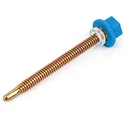
#3 drill point self drilling screws are commonly used in interior light steel framing and non-structural metal systems. This article explains where this drill point type is typically applied, why it is selected for light gauge steel assemblies, and how it differs from drill points designed for heavier steel connections.
🔹 Page Scope Statement
This knowledge article focuses on application scenarios and selection guidance for #3 drill point self drilling screws in interior light steel framing. It does not serve as a product specification or replacement for structural fastening solutions.
🔹 Section 1: Why Drill Point Selection Matters in Interior Framing
In interior construction systems, fastening requirements differ significantly from heavy steel structures. Light steel framing relies on accurate alignment, consistent spacing, and repeatable installation processes rather than maximum drilling force.
Using an unsuitable drill point may lead to common issues such as misalignment, over-driving, or deformation of thin steel components. Selecting a drill point designed for light gauge applications helps installers maintain control during high-speed fastening.
🔹 Section 2: What Is a #3 Drill Point Designed For?
A #3 drill point is engineered for light to medium gauge steel, offering a balanced drilling profile that supports smooth engagement without excessive penetration.
In interior framing systems, this balance allows installers to:
Maintain positioning accuracy
Reduce the risk of over-drilling thin steel
Achieve consistent fastening results across repetitive installations
This makes #3 drill point self drilling screws suitable for standardized interior construction workflows.
🔹 Section 3: Typical Interior Application Scenarios
#3 drill point self drilling screws are widely applied in non-structural interior systems, including:
Metal stud and track framing
Ceiling suspension and grid systems
HVAC duct supports and brackets
Modular wall panels and partitions
Interior prefabricated assemblies
These applications prioritize installation control and consistency rather than aggressive penetration capability.
🔹 Section 4: Comparison With Other Drill Point Types (High-Level)
While #2 and #5 drill points are also commonly used in metal fastening, their typical applications differ:
#2 drill point: Thin sheet metal and light-duty connections
#3 drill point: Light steel framing and interior metal systems
#5 drill point: Heavy gauge steel and structural connections
Understanding these general differences helps avoid mismatched fastener selection during project planning.
🔹 Section 5: Installation Considerations for Interior Systems
When working with light steel framing, installers should consider:
Steel thickness consistency
Fastening repetition and workflow speed
Alignment requirements of the framing system
Compatibility with standard power driving tools
Selecting a drill point aligned with these factors improves overall installation efficiency and reduces rework.
🔹 Conclusion
In interior light steel framing systems, fastening performance depends heavily on selecting a drill point suited to the application environment. #3 drill point self drilling screws provide a practical solution for non-structural metal assemblies where control, alignment, and repeatability are essential. Understanding their intended use helps contractors and buyers make more informed fastening decisions.