Hey there! As a supplier of Hex Coupling Nuts, I often get asked about these little yet crucial hardware components, especially regarding their fire resistance. So, let's dig deep into what exactly the fire resistance of hex coupling nuts is.

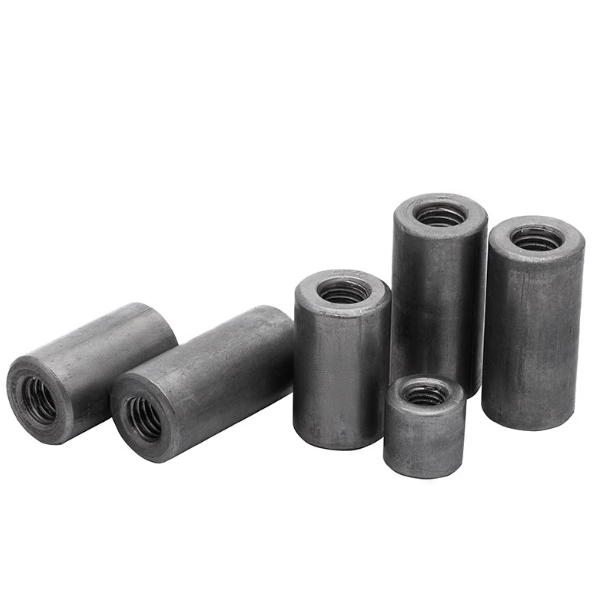
First off, let's understand what hex coupling nuts are. If you're unfamiliar, you can click Hex Coupling Nuts to get a better look. These nuts are shaped with six sides, or a hexagonal shape, and they're used to join two male threads together. They come in all sorts of sizes and materials, and that's where things get interesting when it comes to fire resistance.
The fire resistance of hex coupling nuts primarily depends on the material they're made from. Different materials react to heat in different ways, and that can have a huge impact on how well the nuts hold up in a fire or high - temperature situation.
One of the most common materials for hex coupling nuts is steel. Steel nuts are pretty popular because they're strong and can handle a good amount of stress. But when it comes to fire resistance, it's a bit of a mixed bag. Steel starts to lose its strength as the temperature rises. Around 400 - 600 degrees Celsius, steel begins to weaken, and its mechanical properties start to change. This means that in a really hot fire, a steel hex coupling nut might start to deform or break, which could affect whatever it's holding together.
However, not all steel is created equal. Some types of steel, like stainless steel, are more resistant to heat. Stainless steel contains alloys such as chromium and nickel, which form a protective layer on the surface of the metal. This layer helps to slow down the oxidation process and can increase the temperature at which the steel begins to lose its strength. So, if you need hex coupling nuts for an environment where there's a risk of high heat, stainless steel might be a better choice.
Another material you might come across is brass. Brass is an alloy made up of copper and zinc. It has some decent heat - resistant properties. It can withstand moderately high temperatures without losing too much of its strength. But brass also has its limits. At around 600 - 700 degrees Celsius, brass starts to soften and can become more malleable. This can be a problem if the nut needs to maintain a tight grip in a high - heat situation.
Then there are nuts made from non - metallic materials like nylon or plastic. These are often used in applications where you don't need a high level of strength or where you want to avoid metal - to - metal contact. But let's face it, when it comes to fire resistance, these materials are not the best. Nylon and plastic start to melt at relatively low temperatures, usually well below the temperatures that can cause problems for metal nuts. So, if fire safety is a concern, you probably won't want to use non - metallic hex coupling nuts.
Now, let's talk about the testing of fire resistance. There are standards and tests out there to determine how well a material can withstand fire. For nuts, the standards often look at factors like the time the nut can hold its shape and function under high heat, the temperature at which it starts to deform, and how it behaves during and after exposure to fire.
Manufacturers of hex coupling nuts use these tests to ensure that their products meet certain safety requirements. If you're in an industry where fire safety is a top priority, like the building or aerospace industry, you'll want to make sure that the hex coupling nuts you're using have been tested and meet the relevant standards.
It's also important to consider the environment where the hex coupling nuts will be used. If they'll be in a place where there's a constant risk of fire, like a furnace room or an industrial kitchen, you'll need to choose nuts with a high level of fire resistance. But if they're just being used in a normal household application, like assembling a piece of furniture, you might not need to worry as much about fire resistance.
When it comes to alternatives, there's also the Round Coupling Nut. These nuts have a round shape instead of the hexagonal shape. In terms of fire resistance, the material is still the key factor. Whether it's a round or hex coupling nut, the same rules about material and heat resistance apply. The shape might affect how easy it is to install or remove the nut, but it doesn't directly impact its fire - resistant properties.
If you're looking to buy hex coupling nuts and are concerned about fire resistance, it's always a good idea to talk to a supplier. As a supplier, I can help you choose the right nuts for your specific needs. I've dealt with all kinds of customers, from DIY enthusiasts to large - scale industrial companies, and I know how important it is to get the right product for the job.
So, if you're in the market for hex coupling nuts and need to consider fire resistance, don't hesitate to reach out. I can provide you with detailed information about the materials, their fire - resistant properties, and help you make an informed decision. Whether you need a small quantity for a home project or a large order for a commercial application, I'm here to assist you. Let's have a chat and figure out the best hex coupling nuts for your situation!
References
- "Metals and Alloys in the Fire Service" by the National Fire Protection Association
- "Materials Science and Engineering: An Introduction" by William D. Callister, Jr. and David G. Rethwisch