


Hey there! As a hex nut supplier, I often get asked about different types of nuts, and one that comes up quite a bit is the heavy hex nut. So, let's dive right in and talk about what a heavy hex nut is.
What Exactly is a Heavy Hex Nut?
A heavy hex nut is a type of fastener that's commonly used in various industries. It's called "heavy" because it's larger and heavier compared to standard hex nuts. The extra size and weight give it some unique advantages.
The main difference between a heavy hex nut and a regular hex nut lies in its dimensions. Heavy hex nuts have a wider across-flats measurement and a greater height. This means they can handle more torque and provide a stronger clamping force. In other words, they're better at holding things together tightly.
How are Heavy Hex Nuts Made?
Heavy hex nuts are typically made from different materials, depending on the application. The most common materials include steel, stainless steel, and brass.
Steel heavy hex nuts are very popular because they're strong and relatively inexpensive. They're often used in construction, machinery, and automotive industries. Stainless steel heavy hex nuts, on the other hand, are resistant to corrosion, making them ideal for outdoor or marine applications. Brass heavy hex nuts are known for their good electrical conductivity and are sometimes used in electrical and plumbing work.
The manufacturing process of heavy hex nuts usually involves forging. Forging is a process where a piece of metal is heated and then shaped using a hammer or a press. This gives the nut its strength and durability. After forging, the nuts are usually machined to achieve the precise dimensions and threading required.
Applications of Heavy Hex Nuts
Heavy hex nuts have a wide range of applications. Here are some of the most common ones:
Construction
In the construction industry, heavy hex nuts are used to secure structural components together. They're used in everything from building frames to bridges. The strong clamping force of heavy hex nuts ensures that the structures are stable and safe.
Machinery
Heavy hex nuts are also widely used in machinery. They're used to fasten parts of engines, gears, and other mechanical components. The ability to handle high torque makes them suitable for these applications.
Automotive
In the automotive industry, heavy hex nuts are used in various parts of a vehicle, such as the engine, suspension, and brakes. They help to keep the different components in place and ensure the smooth operation of the vehicle.
Different Types of Heavy Hex Nuts
There are several different types of heavy hex nuts available in the market. Here are a few examples:

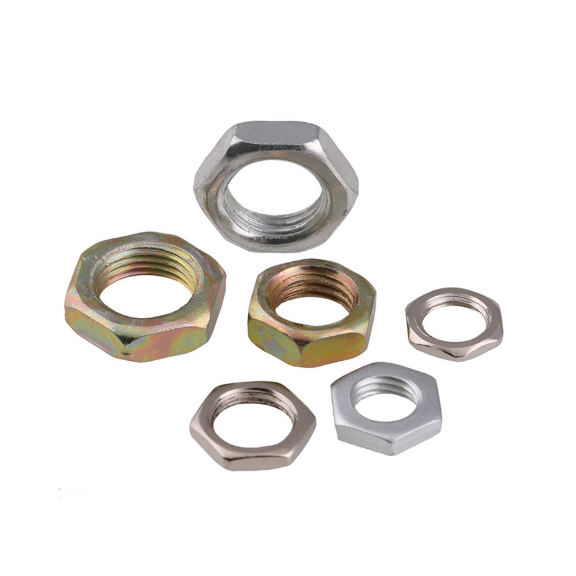
DIN6923 Flange Nut
The DIN6923 flange nut is a type of heavy hex nut with a flange at one end. The flange acts as a washer, providing a larger bearing surface and preventing the nut from loosening. This type of nut is commonly used in applications where vibration is a concern.
Hex Thin Nut
Hex thin nuts are heavy hex nuts with a reduced height. They're used in applications where space is limited. Despite their reduced height, they still provide a strong clamping force.
DIN985 Nylon Lock Nut
The DIN985 nylon lock nut is a heavy hex nut with a nylon insert. The nylon insert provides a locking mechanism, preventing the nut from loosening due to vibration or other factors. This type of nut is commonly used in applications where a secure connection is required.
Advantages of Using Heavy Hex Nuts
There are several advantages to using heavy hex nuts. Here are some of the main ones:
Strong Clamping Force
As mentioned earlier, heavy hex nuts can provide a stronger clamping force compared to standard hex nuts. This means they can hold things together more securely, reducing the risk of components coming loose.
High Torque Capacity
Heavy hex nuts can handle more torque, which is important in applications where high tightening forces are required. This makes them suitable for use in heavy machinery and other high-stress applications.
Durability
Due to their larger size and the forging process used in their manufacturing, heavy hex nuts are generally more durable than standard hex nuts. They can withstand more wear and tear, making them a long-lasting choice.
Choosing the Right Heavy Hex Nut
When choosing a heavy hex nut, there are several factors to consider. Here are some of the main ones:
Material
As mentioned earlier, the material of the heavy hex nut depends on the application. If you're using the nut in a corrosive environment, stainless steel might be a good choice. If you need a nut with good electrical conductivity, brass might be more suitable.
Size
The size of the heavy hex nut is also important. You need to make sure that the nut has the right dimensions to fit the bolt or screw you're using. The across-flats measurement and the height of the nut are the two main dimensions to consider.
Thread Type
The thread type of the heavy hex nut should match the thread type of the bolt or screw. Common thread types include coarse thread and fine thread. Coarse thread is more common and is suitable for most applications, while fine thread is used in applications where a more precise fit is required.
Quality Control
As a hex nut supplier, I understand the importance of quality control. We have strict quality control measures in place to ensure that all our heavy hex nuts meet the highest standards.
We test our nuts for various properties, such as hardness, tensile strength, and corrosion resistance. We also check the dimensions and threading of the nuts to make sure they're accurate. Only nuts that pass our quality control tests are sent to our customers.
Conclusion
In conclusion, heavy hex nuts are an important type of fastener that's widely used in various industries. They offer several advantages, such as strong clamping force, high torque capacity, and durability. There are different types of heavy hex nuts available, each with its own unique features and applications.
If you're in the market for heavy hex nuts, I'd be happy to help. We have a wide range of heavy hex nuts in different materials, sizes, and thread types. Whether you need a few nuts for a small project or a large quantity for an industrial application, we can meet your needs. Just get in touch with us, and we'll work together to find the right solution for you.
References
- Machinery's Handbook, 31st Edition
- Fastener Standards and Specifications Guide
So, don't hesitate to reach out if you have any questions or if you're ready to place an order. Let's get your project off to a great start with our high-quality heavy hex nuts!






