


Hygiene requirements play a crucial role in food processing equipment. As a rivet supplier, we understand the significance of providing rivets that meet the strict standards of the food industry. In this blog, we will explore the hygiene requirements for rivets in food processing equipment and how our products can ensure compliance.
1. Importance of Hygiene in Food Processing Equipment
Food processing equipment must maintain high - level hygiene to prevent contamination of food products. Contaminants such as bacteria, fungi, and chemical residues can pose serious health risks to consumers. Rivets, which are used to assemble various parts of food processing equipment, can be potential sources of contamination if they do not meet proper hygiene standards.
2. Material Selection for Hygienic Rivets
2.1 Stainless Steel
Stainless steel is a popular choice for rivets in food processing equipment. It has excellent corrosion resistance, which means it can withstand the harsh cleaning agents and high - humidity environments often found in food processing facilities. Stainless steel also has a smooth surface, which makes it difficult for bacteria and other contaminants to adhere. For example, 304 and 316 stainless steel are commonly used. 316 stainless steel, in particular, contains molybdenum, which enhances its corrosion resistance in chloride - rich environments, such as those where salt - based food products are processed.
2.2 Aluminum
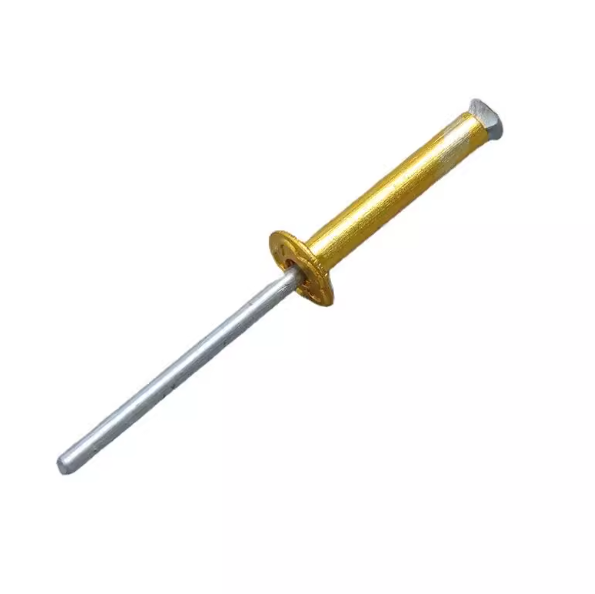
Aluminum rivets are also used in some food processing applications. Aluminum is lightweight, easy to work with, and has good corrosion resistance. However, it is important to ensure that the aluminum used is food - grade and has been properly treated to prevent the leaching of aluminum into food products. Our Open End Type Aluminium Pop Blind Rivet is designed to meet these requirements, providing a reliable and hygienic fastening solution.
3. Surface Finish
The surface finish of rivets is critical for hygiene. A smooth and polished surface is less likely to harbor bacteria and other contaminants. We ensure that our rivets have a smooth finish, which can be achieved through processes such as electro - polishing. Electro - polishing not only improves the surface smoothness but also enhances the corrosion resistance of the rivets.
4. Design Considerations
4.1 Avoidance of Crevices
Rivets should be designed to avoid creating crevices or gaps where food particles and bacteria can accumulate. For example, flush - head rivets are often preferred over rivets with protruding heads, as they provide a more even surface and reduce the risk of food entrapment.
4.2 Easy to Clean
The design of the rivets should allow for easy cleaning. This means that the rivets should not have complex shapes or structures that are difficult to reach with cleaning tools. Our Steel Hollow Lantern Rivets are designed with simplicity in mind, making them easy to clean and maintain.
5. Compliance with Regulations
Food processing equipment must comply with various national and international regulations regarding hygiene. For example, in the United States, the Food and Drug Administration (FDA) has strict guidelines on the materials and components used in food contact applications. Our rivets are designed and manufactured to meet these regulatory requirements, ensuring that our customers can use them with confidence in their food processing equipment.
6. Testing and Quality Assurance
We conduct rigorous testing on our rivets to ensure that they meet the hygiene requirements. This includes tests for corrosion resistance, surface smoothness, and the absence of harmful substances. Our quality assurance process involves multiple stages of inspection, from raw material selection to the final product. We also keep detailed records of our production and testing processes, which can be provided to our customers upon request.
7. Customization for Specific Applications
We understand that different food processing applications may have unique requirements. That's why we offer customization services for our rivets. Whether it's a specific size, shape, or material, we can work with our customers to develop rivets that meet their exact needs. For example, for applications where a more aesthetically pleasing appearance is required, our Colored Blind Rivets for Metal Panels can be a great option.
8. Training and Support
In addition to providing high - quality rivets, we also offer training and support to our customers. We can provide guidance on the proper installation and maintenance of our rivets to ensure optimal hygiene. Our technical team is available to answer any questions and provide solutions to any problems that our customers may encounter.
9. Environmental Considerations
We are also committed to environmental sustainability. Our manufacturing processes are designed to minimize waste and energy consumption. We use recyclable materials whenever possible and ensure that our products are produced in an environmentally friendly manner.
10. Conclusion
In conclusion, the hygiene requirements for rivets in food processing equipment are of utmost importance. As a rivet supplier, we are dedicated to providing high - quality, hygienic rivets that meet the strict standards of the food industry. Our products are designed with material selection, surface finish, design, and compliance in mind. We also offer customization, training, and support to ensure that our customers can use our rivets effectively in their food processing equipment.
If you are in the food processing industry and are looking for reliable and hygienic rivets, we would be more than happy to discuss your requirements. Contact us to start a procurement negotiation and find the perfect rivet solution for your food processing equipment.

References
- Food and Drug Administration (FDA) regulations on food contact materials.
- Industry standards for food processing equipment hygiene.


