


Ensuring the proper alignment of parts when using round coupling nuts is crucial for the success of various mechanical and engineering applications. As a supplier of Round Coupling Nut, I understand the importance of this process and the challenges that customers may encounter. In this blog post, I will share some practical tips and techniques to help ensure the alignment of parts when using round coupling nuts.
Understanding Round Coupling Nuts
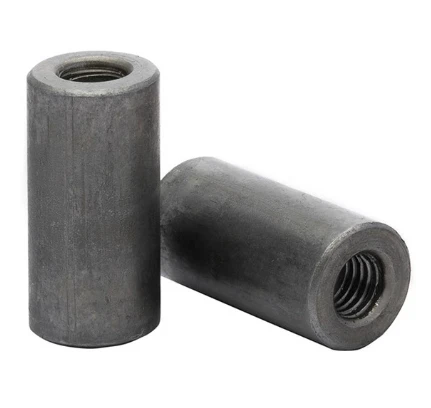
Before delving into the alignment process, it's essential to have a clear understanding of round coupling nuts. These nuts are designed to connect two threaded rods or pipes securely. They have an internally threaded bore that allows them to be screwed onto the threaded ends of the parts, providing a strong and reliable connection. Round coupling nuts are commonly used in construction, machinery, automotive, and other industries where a robust and precise connection is required.
Importance of Alignment
Proper alignment of parts when using round coupling nuts is vital for several reasons. Firstly, it ensures the integrity of the connection. Misaligned parts can lead to uneven stress distribution, which may cause the nuts to loosen over time or even break. This can result in system failure, downtime, and potentially dangerous situations.
Secondly, alignment affects the performance of the overall system. In applications where precision is critical, such as in manufacturing equipment or aerospace components, even a slight misalignment can lead to inaccurate operation and reduced efficiency.
Finally, proper alignment simplifies the installation process. When parts are aligned correctly, it is easier to screw the round coupling nuts onto the threaded ends, saving time and effort.
Pre - Installation Inspection
The first step in ensuring alignment is to conduct a thorough pre - installation inspection.
- Inspect the Threads: Check the threaded ends of the parts to be connected. Ensure that the threads are clean, undamaged, and of the correct pitch and diameter. Any debris or burrs on the threads can prevent proper engagement and alignment. Use a thread gauge to verify the thread specifications.
- Inspect the Round Coupling Nuts: Examine the nuts for any defects, such as cracks, dents, or incorrect threading. Make sure that the internal threads of the nuts match the external threads of the parts.
Use of Alignment Aids
- Jigs and Fixtures: In some cases, jigs and fixtures can be used to hold the parts in the correct position during installation. These tools are custom - designed to ensure that the parts are aligned precisely before the round coupling nuts are tightened. For example, in a manufacturing setting, a jig can be used to align the ends of two metal rods before connecting them with a round coupling nut.
- Laser Alignment Tools: Laser alignment tools are highly accurate and can be used to check the alignment of parts in real - time. These tools project a laser beam that can be used as a reference line to ensure that the parts are in a straight line. They are particularly useful in applications where high precision is required.
Step - by - Step Alignment Process
- Dry Fit: Before applying any lubricant or tightening the nuts fully, perform a dry fit. This involves screwing the round coupling nuts onto the threaded ends of the parts by hand until they are finger - tight. This allows you to check the alignment and make any necessary adjustments. If the nuts do not turn smoothly or seem to bind, it may indicate a misalignment.
- Adjustment: If misalignment is detected during the dry fit, make the necessary adjustments. This may involve re - positioning the parts or using alignment aids to correct the alignment. Once the alignment is satisfactory, proceed with tightening the nuts.
- Progressive Tightening: When tightening the round coupling nuts, use a progressive tightening method. Start by tightening the nuts a small amount on each side, then check the alignment again. Repeat this process until the nuts are fully tightened. This helps to ensure that the parts remain aligned during the tightening process.
Troubleshooting Alignment Issues
- Cross - Threading: Cross - threading occurs when the threads of the nut and the part do not align properly during installation, causing the threads to damage each other. To avoid cross - threading, make sure to start the nut on the threads correctly. If cross - threading is detected, stop immediately and remove the nut. Inspect the threads for damage and, if necessary, use a thread chaser to repair the threads before re - attempting the installation.
- Uneven Tightening: Uneven tightening can cause misalignment. Make sure to use a torque wrench to tighten the nuts to the specified torque value. This ensures that the nuts are tightened evenly on both sides, maintaining the alignment of the parts.
Quality Control
As a Round Coupling Nut supplier, we understand the importance of quality control. We use advanced manufacturing techniques and strict quality assurance processes to ensure that our nuts meet the highest standards. Our products are made from high - quality materials and undergo rigorous testing to ensure their performance and durability.
Conclusion
Ensuring the alignment of parts when using round coupling nuts is a critical process that requires careful attention to detail. By following the tips and techniques outlined in this blog post, you can minimize the risk of misalignment and ensure a strong, reliable connection. If you have any further questions or need assistance with your round coupling nut needs, please feel free to contact us for a consultation. We are committed to providing our customers with the best products and support to meet their requirements. Whether you are working on a small DIY project or a large - scale industrial application, our Round Coupling Nut can provide the solution you need. And if you are interested in other types of coupling nuts, you can also check out our Hex Coupling Nuts.
References
- Machinery's Handbook, 31st Edition
- ASME B1.1 - 2019, Unified Inch Screw Threads (UN and UNR Thread Form)
- ISO 965 - 1:2013, ISO general purpose metric screw threads - Tolerances - Part 1: Principles and basic data






