


Hand-tightening a wing hex nut is a practical skill that finds its application in various industries and DIY projects. As a reputable hex nut supplier, we understand the importance of not only providing high-quality products but also equipping our customers with the knowledge to use them effectively. In this blog post, we'll delve into the process of hand-tightening a wing hex nut, discuss the types of wing hex nuts we offer, and provide some useful tips and precautions.
Understanding Wing Hex Nuts
Wing hex nuts are a type of fastener with two large "wings" protruding from the sides of the nut. These wings are designed to be easily grasped by hand, allowing for quick and convenient tightening and loosening without the need for tools in many cases. They are commonly used in applications where frequent adjustments are required, such as in machinery, automotive, and household items.
At our company, we offer a wide range of hex nuts, including DIN934 Hex Nuts, Hex Thin Nut, and DIN985 Nylon Lock Nut. Each type has its own unique features and applications, and our wing hex nuts are no exception.
Steps to Hand-Tighten a Wing Hex Nut
Step 1: Prepare the Workspace
Before you start hand-tightening the wing hex nut, it's important to prepare the workspace. Make sure the area is clean and free of debris that could interfere with the tightening process. If you're working on a mechanical or electrical device, ensure it is turned off and unplugged to prevent any accidents.
Step 2: Select the Right Wing Hex Nut
Choose the appropriate wing hex nut for your application. Consider factors such as the size, material, and thread pitch. Using the wrong size or type of nut can lead to a loose or unstable connection. Our experts can assist you in selecting the right nut if you're unsure.

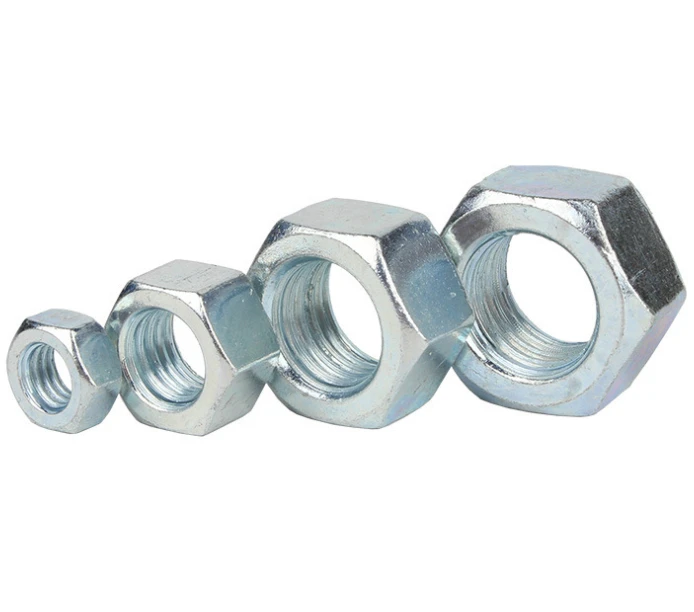
Step 3: Align the Nut with the Bolt
Place the wing hex nut on the bolt and align it properly. The threads of the nut should match the threads of the bolt precisely. If the nut doesn't align easily, don't force it, as this could damage the threads. Instead, check for any debris or damage on the threads and clean or replace the parts if necessary.
Step 4: Start Hand-Tightening
Once the nut is aligned with the bolt, grasp the wings of the nut firmly between your thumb and forefinger. Begin turning the nut clockwise. Apply a steady and even pressure as you turn. In the initial stages, the nut should turn relatively easily. If you encounter resistance, stop and check for any misalignment or debris.
Step 5: Increase the Tightness
Continue turning the nut until it is snug against the surface. As you approach the desired tightness, you may need to apply more force. However, be careful not to over-tighten the nut, as this can cause damage to the nut, bolt, or the surrounding components. You can use your judgment based on the application and the feel of the tightening. For example, in a delicate electronic device, you may want to stop tightening when the nut is just firmly in place, while in a heavy machinery application, you may need to apply more force.
Step 6: Check the Tightness
After hand-tightening the wing hex nut, check the tightness by gently trying to turn the nut counterclockwise. If it moves easily, continue tightening until it is secure. If it doesn't move at all, the nut is likely tightened enough. However, in some cases, you may need to use a tool to double-check the tightness according to the specific requirements of the application.
Tips for Hand-Tightening Wing Hex Nuts
- Use Lubrication: In some cases, applying a small amount of lubricant to the threads of the bolt can make the hand-tightening process easier and reduce the risk of thread damage. However, make sure the lubricant is suitable for the application and doesn't cause any adverse effects.
- Practice Good Ergonomics: When hand-tightening the nut, use proper hand and wrist positions to avoid strain or injury. If you need to apply a lot of force, you can use a tool such as a pair of pliers or a wrench for assistance, but be careful not to over-tighten.
- Inspect the Nut and Bolt Regularly: Over time, the tightening of the wing hex nut may loosen due to vibrations or other factors. Regularly inspect the nut and bolt for any signs of loosening or damage and re-tighten if necessary.
Precautions
- Avoid Over-Tightening: As mentioned earlier, over-tightening can cause damage to the nut, bolt, or the surrounding components. Always follow the recommended torque specifications for your application.
- Use the Right Tools: While wing hex nuts are designed to be hand-tightened, in some cases, you may need to use a tool to achieve the required tightness. Make sure you use the right tool for the job and follow the proper procedures.
- Safety First: When working with nuts and bolts, always wear appropriate safety gear, such as gloves and safety glasses, to protect yourself from any potential hazards.
Why Choose Our Hex Nuts
As a leading hex nut supplier, we are committed to providing our customers with high-quality products and excellent service. Our hex nuts are manufactured using the latest technology and strict quality control measures to ensure they meet or exceed industry standards. We offer a wide range of sizes, materials, and types of hex nuts to meet the diverse needs of our customers. Whether you're a professional mechanic, a DIY enthusiast, or a large-scale manufacturer, we have the right hex nut for your application.
Contact Us for Your Hex Nut Needs
If you're in the market for high-quality hex nuts, including wing hex nuts, we'd love to hear from you. Our team of experts is ready to assist you in selecting the right products for your specific requirements. Whether you have questions about the hand-tightening process, need help with product selection, or are interested in placing an order, please don't hesitate to contact us. We look forward to working with you and helping you find the perfect hex nut solutions for your projects.
References
- Machinery's Handbook: A comprehensive reference for mechanical engineering and manufacturing, which provides detailed information on fasteners and their applications.
- Fastener Standards and Specifications: Published by various organizations, these standards define the requirements for different types of hex nuts, including dimensions, materials, and performance.






