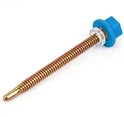
Understanding #2, #3 and #5 Drill Point Self Drilling Screws
Selecting the correct drill point is a critical factor in achieving efficient and reliable fastening performance in metal construction projects. Among self drilling screws, #2, #3, and #5 drill points are the most commonly used, each designed for different steel thickness ranges and application environments.
#2 Drill Point – Thin Steel Applications
#2 drill point self drilling screws are typically used for thin steel sheets, usually up to 1.2mm thickness. They are widely applied in light-duty metal connections, interior fixtures, and decorative metal assemblies where fast penetration and low torque are required.
#3 Drill Point – Light Gauge Steel Framing
#3 drill point screws are designed for light gauge steel to steel fastening, generally between 1.5mm and 3.0mm. This drill point provides stronger cutting ability and improved drilling stability, making it ideal for steel framing systems, HVAC installations, metal studs, and prefabricated components.
Compared with #2 drill point screws, #3 drill points reduce installation time and minimize drill bit wear in medium-thickness steel connections.
#5 Drill Point – Thick Steel and Structural Connections
#5 drill point self drilling screws are used for thicker steel materials, typically up to 5.0mm or more depending on design. These screws are commonly found in structural steel connections, heavy-duty brackets, industrial equipment, and steel fabrication projects where strong penetration and holding power are essential.
The longer and more aggressive drill tip allows the screw to maintain drilling efficiency even in demanding applications.
How to Choose the Right Drill Point
When selecting self drilling screws, contractors and distributors should consider:
Steel thickness
Installation speed requirements
Application environment
Torque capacity of the tool
Using the correct drill point not only improves fastening efficiency but also helps reduce tool wear, installation errors, and overall project cost.
As global construction trends continue to move toward light steel structures and prefabricated systems, understanding drill point differences becomes increasingly important for achieving long-term fastening performance.