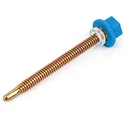
Ruspert vs Zinc Galvanizing: How Surface Treatment Impacts the Performance of Self-Drilling Screws
In construction and metal fastening industries, surface treatment is often the deciding factor between long-term performance and early failure. For self-drilling screws (TEK screws) and roofing screws, the choice between Ruspert® coating and zinc galvanizing is not only about corrosion resistance, but also about environment, application, budget, and market expectations.
Understanding how these surface treatments perform in real conditions helps buyers, distributors, and contractors select the right fastening solution without unnecessary cost.
Why Surface Treatment Matters for Self-Drilling Screws
Self-drilling screws are designed to penetrate steel directly, which means the screw body and drill point are exposed to friction, heat, moisture, and often outdoor environments. Without proper surface protection, corrosion can start quickly-especially at the drill point-reducing service life and structural reliability.
Surface treatment plays a key role in:
Corrosion resistance
Durability in outdoor or industrial environments
Appearance and long-term stability
Overall cost effectiveness of the fastening system
Zinc Galvanizing: A Cost-Effective Standard Solution
Zinc galvanized self-drilling screws are widely used in general construction and light steel applications. The zinc layer provides sacrificial protection, meaning the zinc corrodes first to protect the steel beneath.
Typical Performance
Salt spray resistance: 72–120 hours (depending on coating thickness)
Suitable for indoor use or mild outdoor conditions
Common Applications
Interior steel framing
Dry or low-humidity environments
Temporary structures
Budget-sensitive projects
Market Preference
Zinc galvanizing is popular in markets where:
Price competitiveness is critical
Environmental exposure is limited
Projects focus on short- to mid-term use
For many distributors, zinc-plated TEK screws offer a balanced solution between acceptable performance and lower procurement cost.
Ruspert® Coating: Designed for High-Demand Environments
Ruspert® coated self-drilling screws use a multi-layer system combining zinc, aluminum, and special inorganic top coatings. This structure significantly improves corrosion resistance and surface stability.
Typical Performance
Salt spray resistance:
500 hours for standard Ruspert®
800–1000+ hours for enhanced systems
Strong resistance to red rust and white rust
Common Applications
Metal roofing systems
Steel structures exposed to weather
Coastal or high-humidity regions
Industrial buildings and infrastructure projects
Market Preference
Ruspert® screws are often required in:
Middle East construction projects
Coastal and tropical regions
High-spec roofing systems
Projects with long service life requirements
In many tenders, Ruspert® coating is specified not for appearance, but for long-term reliability and reduced maintenance cost.
Salt Spray Testing: What the Numbers Really Mean
Salt spray testing is commonly used to evaluate corrosion resistance, but it should be interpreted correctly.
Zinc galvanizing (72–120 hours)
Suitable for controlled or indoor environments. Not recommended for long-term outdoor exposure.
Ruspert® (500–1000 hours)
Indicates suitability for harsh outdoor conditions, frequent rain, temperature variation, and industrial pollution.
Higher salt spray hours do not always mean "better for every project," but they do indicate greater protection margin in demanding environments.
Choosing the Right Option: Quality vs Budget
Selecting the right surface treatment is about matching performance with real project needs.
When Zinc Galvanizing Makes Sense
Budget is limited
Environment is dry or semi-indoor
Short construction cycle
Non-critical structural application
When Ruspert® Is the Better Choice
Long-term outdoor exposure
Roofing and steel structure projects
Coastal, humid, or industrial areas
Projects where maintenance access is limited
In many cases, spending slightly more on surface treatment reduces total project cost by minimizing replacement, corrosion damage, and labor.
Industry Insight: What Experienced Buyers Look For
Professional buyers and contractors increasingly focus on:
Consistent coating thickness
Stable performance at the drill point
Verified salt spray test results
Batch-to-batch quality control
Rather than choosing based only on price or advertised hours, experienced buyers evaluate how well the surface treatment performs during actual installation and long-term service.
Final Thoughts: Making the Right Choice
There is no universal "best" surface treatment for self-drilling screws. Zinc galvanizing remains a practical and economical option for standard applications, while Ruspert® coating is designed for projects where durability, corrosion resistance, and long-term performance matter most.
Understanding the environment, industry standards, and project expectations allows buyers to select fastening solutions that are both technically appropriate and cost-effective.
For distributors, contractors, and project managers, informed selection leads to better performance, fewer complaints, and stronger customer trust.