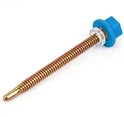
Rivets, as essential fasteners in mechanical connections, are widely used in aerospace, automotive, and building construction. Choosing the right rivet not only affects the reliability of the connection but also directly impacts the safety and durability of the overall structure. This article will discuss how to scientifically select rivets based on material, specifications, type, and operating environment.
1. Material Selection
The rivet material should be determined based on the strength, corrosion resistance, and temperature requirements of the application. Common materials include aluminum alloy (lightweight and corrosion-resistant), steel (high strength), stainless steel (corrosion-resistant), and copper (good conductivity). For example, high-strength aluminum alloy or titanium alloy rivets are often used in the aerospace industry, while stainless steel or plated rivets are preferred for marine environments to prevent rust.
2. Specification Matching
The diameter and length of the rivet must be precisely matched to the thickness and hole diameter of the materials being joined. Rivets that are too thin may cause the connection to loosen, while rivets that are too thick may fail to install or damage the workpiece. Generally, the rivet diameter should be 1.5 to 2 times the plate thickness, and the length should cover the combined thickness of both plates plus a certain allowance for the head.
3. Type Compatibility
Rivets come in a variety of types, including solid rivets (permanent attachment), blind rivets (single-sided installation), blind rivets (suitable for non-visible areas), and explosion-proof rivets (for special safety requirements). For example, automotive repair often uses blind rivets for quick, single-sided installation, while bridge structures rely on high-strength solid rivets for long-term stability.
4. Environmental Compatibility
High-temperature, vibrating, or corrosive environments require specially designed rivets. For example, nickel-based alloy rivets can be used for high-temperature applications, while vibrating environments recommend adding anti-loosening measures. Chemical applications require rivets with acid- and alkali-resistant coatings.
Summary
Rivet selection requires a comprehensive consideration of material properties, specification accuracy, type and function, and environmental conditions. Consulting with professional suppliers, consulting engineering standards (such as ISO or GB), is recommended to ensure that the rivet is highly compatible with the specific application requirements, ensuring a secure and efficient connection.