In the world of construction and DIY projects, choosing the right screws is crucial for the success and longevity of your work. Two types of screws that often come up in discussions are drywall screws and deck screws. As a drywall screw supplier, I've seen firsthand the importance of understanding the differences between these two types of screws. In this blog post, I'll delve into the key differences between drywall screws and deck screws, helping you make an informed decision for your next project.


Design and Structure
Drywall screws are specifically designed for attaching drywall to wood or metal studs. They typically have a fine thread and a sharp point, which allows them to easily penetrate the drywall and secure it in place. The fine thread also helps to prevent the drywall from cracking or splitting. Drywall screws often have a bugle head, which is designed to sink into the drywall, creating a smooth surface for finishing.
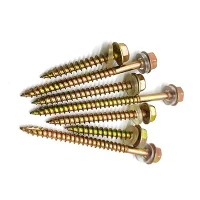
On the other hand, deck screws are designed for outdoor applications, such as building decks, fences, and other outdoor structures. They have a coarser thread and a larger head, which provides better holding power in wood. The coarser thread helps the screw to grip the wood more securely, preventing it from pulling out over time. Deck screws also often have a flat or pan head, which is suitable for outdoor use and provides a more finished look.
Material and Coating
Drywall screws are usually made of steel and are coated with a thin layer of zinc or phosphate to prevent rust and corrosion. The coating helps to protect the screw from moisture, which is important in indoor environments where drywall is commonly used. Some drywall screws, such as the Grey Phosphated Drywall Screw – Fine & Coarse Thread Supplier, feature a grey phosphated coating, which provides additional protection against corrosion.
Deck screws, on the other hand, are typically made of stainless steel or coated steel to withstand the harsh outdoor elements. Stainless steel deck screws are highly resistant to rust and corrosion, making them ideal for long-term outdoor use. Coated steel deck screws may have a special coating, such as a black phosphate coating, which provides additional protection against the elements. For example, the Black Phosphate Drywall Screws for Gypsum Board & Metal Stud Fixing are designed to provide excellent corrosion resistance in both indoor and outdoor applications.
Strength and Durability
Drywall screws are designed to provide sufficient strength for attaching drywall to studs, but they are not typically designed for heavy-duty applications. They are relatively lightweight and may not be suitable for applications where a high level of strength is required.
Deck screws, on the other hand, are designed to provide high strength and durability in outdoor applications. They are able to withstand the weight and stress of outdoor structures, such as decks and fences, and are less likely to pull out or break over time. The coarser thread and larger head of deck screws provide better holding power, making them ideal for heavy-duty applications.
Application and Use
Drywall screws are primarily used for installing drywall in indoor applications, such as residential and commercial buildings. They are also used for other indoor projects, such as installing paneling and trim. Drywall screws are easy to install and provide a secure hold, making them a popular choice for DIYers and professional contractors alike.
Deck screws, on the other hand, are used for outdoor applications, such as building decks, fences, and other outdoor structures. They are designed to withstand the elements and provide a long-lasting hold. Deck screws are typically installed using a power drill, and they require a pre-drilled hole to prevent the wood from splitting.
Cost and Availability
Drywall screws are generally less expensive than deck screws, as they are designed for indoor use and do not require the same level of durability and corrosion resistance as deck screws. They are widely available at hardware stores and home improvement centers, and they come in a variety of sizes and lengths to suit different applications.
Deck screws, on the other hand, are typically more expensive than drywall screws, as they are designed for outdoor use and require a higher level of durability and corrosion resistance. They are also available at hardware stores and home improvement centers, but they may be more limited in terms of size and length options.
Conclusion
In conclusion, drywall screws and deck screws are two different types of screws that are designed for different applications. Drywall screws are designed for indoor use and are used for attaching drywall to studs, while deck screws are designed for outdoor use and are used for building decks, fences, and other outdoor structures. When choosing between drywall screws and deck screws, it's important to consider the specific application, the level of strength and durability required, and the environmental conditions.
As a drywall screw supplier, I'm committed to providing high-quality drywall screws that meet the needs of my customers. If you have any questions about drywall screws or need help choosing the right screws for your project, please don't hesitate to contact me. I'm here to help you make the best decision for your project and ensure its success.
References
- Construction Materials Handbook
- DIY Home Improvement Guides
- Screw Manufacturer Specifications