Hey there! As a supplier of Shear Connector Studs, I've seen firsthand the growing interest in composite structures that combine steel and timber. These structures offer some amazing benefits, like the strength of steel and the sustainability of timber. But, like any good thing, they come with their own set of challenges, especially when it comes to the compatibility between shear connector studs and timber.
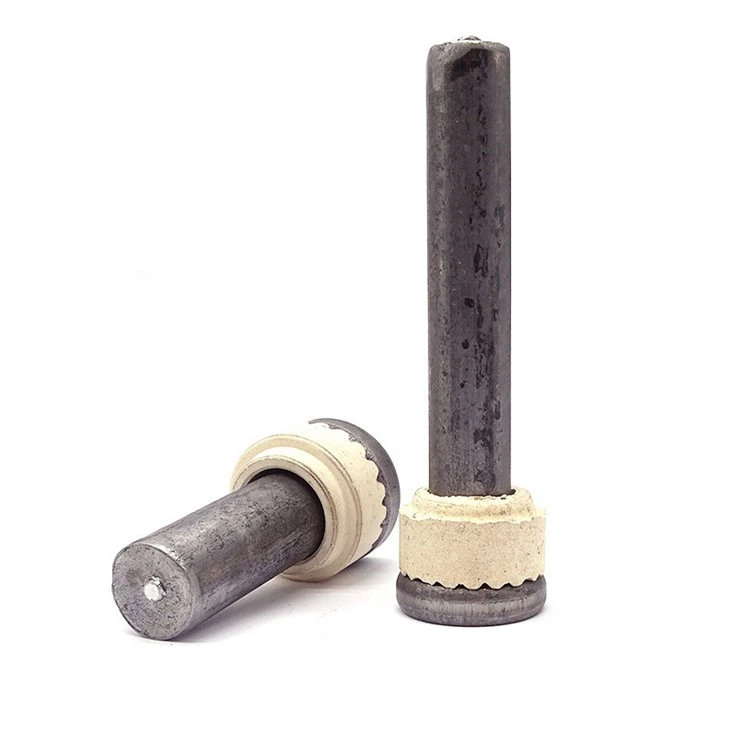
Let's start by understanding what shear connector studs are and what they do in a composite structure. Shear connector studs, like the ones we supply Shear Connector Stud, are crucial elements that help transfer shear forces between the steel and timber components. In a composite beam, for example, the steel and timber work together to resist loads. The studs ensure that these two materials act as a single unit, rather than sliding past each other.
Now, onto the compatibility issues. One of the major problems we often encounter is the difference in the mechanical properties of steel and timber. Steel is a very strong and stiff material, while timber has a more variable strength and stiffness depending on the species, grain direction, and moisture content. This difference can lead to uneven stress distribution at the interface between the stud and the timber.
For instance, when a load is applied to the composite structure, the steel may deform less than the timber. This can result in high local stresses around the shear connector studs, which can cause the timber to crack or crush. In extreme cases, it can even lead to the failure of the connection between the steel and the timber.
Another compatibility issue is related to the corrosion of the shear connector studs. Timber can absorb moisture from the environment, and if the moisture content is high enough, it can create a corrosive environment for the steel studs. Corrosion not only weakens the studs but can also cause swelling and degradation of the timber around the studs. This can further reduce the effectiveness of the shear connection and compromise the overall integrity of the composite structure.

The installation process also plays a big role in the compatibility between shear connector studs and timber. If the studs are not installed correctly, it can lead to problems. For example, if the holes drilled in the timber for the studs are too large, the studs may not be able to transfer the shear forces effectively. On the other hand, if the holes are too small, it can cause excessive damage to the timber during installation.
Moreover, the type of timber used in the composite structure can have a significant impact on the compatibility. Different timber species have different densities, strengths, and moisture absorption characteristics. Softwoods, for example, are generally less dense and have lower strength compared to hardwoods. This means that the design and installation of the shear connector studs may need to be adjusted depending on the type of timber.
To address these compatibility issues, there are several solutions. First, proper material selection is crucial. We need to choose the right type of shear connector studs and timber based on the specific requirements of the project. For example, if the structure is in a high - humidity environment, we may need to use corrosion - resistant studs and a timber species that is more resistant to moisture.
Second, accurate design is essential. Engineers need to consider the mechanical properties of both the steel and the timber when designing the shear connection. This includes calculating the appropriate number, size, and spacing of the shear connector studs to ensure that the shear forces are transferred evenly.
Third, quality installation is key. The installation of the shear connector studs should follow strict guidelines to ensure that they are installed correctly. This may involve using the right tools and techniques, as well as proper training for the installation team.
In addition to the above, we also offer other related products that can be useful in composite structures. For example, if you're working on a steel structure, you might be interested in our DIN975 Full Thread Rod Supplier for Steel Structure. These full - thread rods can be used for various connections in steel structures, providing additional strength and stability.
And for heavy - duty steel connections, we are also a supplier of Heavy Duty Structural Bolts for Steel Connections A325 / A490 Heavy Hex Bolt Supplier. These bolts are designed to withstand high loads and ensure reliable connections in steel structures.
If you're involved in a project that requires shear connector studs or any of our other products, I'd love to have a chat with you. We have a wealth of experience in the industry and can provide you with high - quality products and professional advice. Whether you're a contractor, an engineer, or an architect, we're here to help you find the best solutions for your project. So, don't hesitate to reach out and start a conversation about your procurement needs.
References
- Johnson, R. P. (2004). Composite Structures of Steel and Concrete. Blackwell Publishing.
- Breyer, D. E., et al. (2010). Design of Steel Structures: A Practice Oriented Approach. McGraw - Hill.
- Frangi, A. J., & Fontana, M. (2001). Timber - concrete composite floors: A state - of - the - art review. Construction and Building Materials, 15(3), 147 - 155.