


Hey there! As a supplier of Hex Thin Nuts, I totally get that ensuring the quality of these nuts is super important when you're looking to make a purchase. After all, using high - quality nuts is crucial for the safety and performance of any project they're used in. In this blog, I'm gonna share some tips on how you can make sure you're getting top - notch Hex Thin Nuts.
1. Know Your Requirements
Before you even start looking for a supplier, you need to have a clear idea of what you need. Hex Thin Nuts come in different sizes, materials, and grades. For instance, the size of the nut should match the bolt it'll be paired with. You also have to consider the application. If it's for a high - stress environment, you'll need a nut made from stronger materials like high - carbon steel.
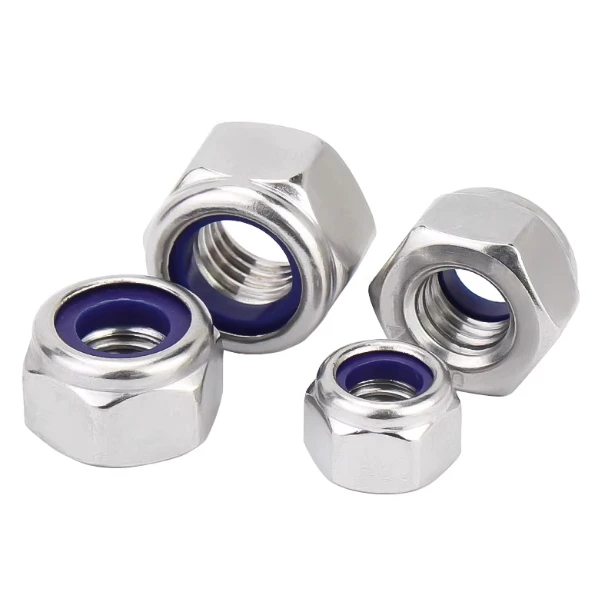
Think about the specific standards you need to meet. Whether it's industry standards or project - specific requirements, make a checklist. Different industries may have different preferences. For example, in automotive manufacturing, the precision of the nuts is extremely important. So, take your time to figure out all these details. You can find more information about different types of nuts on our website, like the DIN6923 Flange Nut and DIN985 Nylon Lock Nut.
2. Research the Supplier
The reputation of the supplier matters big time. You can start by looking at online reviews. Check platforms like industry - specific forums, social media groups, or even general review sites. A supplier with a lot of positive feedback is more likely to provide quality products.
Also, find out how long the supplier has been in business. A company that has been around for a while usually knows how to maintain quality. They've likely dealt with different challenges and have developed good manufacturing and quality control processes.
See if the supplier is certified. Certifications like ISO 9001 indicate that the company follows international quality management standards. This is a sign that they take quality seriously in all aspects of their business, from production to delivery. As a long - standing supplier of Hex Thin Nut, we've got all the necessary certifications to ensure our products are of the highest quality.
3. Check the Manufacturing Process
Understanding how the nuts are made gives you an idea of their quality. Hex Thin Nuts can be manufactured using different methods, such as cold forging or hot forging. Cold forging generally results in a more precise and stronger nut because it doesn't change the grain structure of the metal as drastically as hot forging.
Ask the supplier about the quality control measures they have during the manufacturing process. For example, they should be doing regular inspections at different stages of production. This can include checking the dimensions, surface finish, and hardness of the nuts. Any good supplier will be happy to share this information with you.
4. Material Quality
The material used to make the Hex Thin Nuts has a huge impact on their quality. Common materials include carbon steel, stainless steel, and brass. Carbon steel is strong and cost - effective, but it may rust if not properly coated. Stainless steel, on the other hand, is corrosion - resistant, making it a great choice for outdoor or high - humidity applications.
Ask the supplier about the source of their materials. Reputable suppliers usually source their raw materials from reliable and well - known manufacturers. They should also be able to provide material test certificates. These certificates show that the materials meet the required chemical and physical properties.
5. Sample Testing
Don't be afraid to ask for samples before making a big purchase. A reliable supplier will be willing to send you a few samples of their Hex Thin Nuts. This gives you a chance to test them out in your actual application.
You can check the fit of the nuts on the bolts. They should screw on smoothly without any binding or excessive play. Also, look at the surface finish. A good quality nut will have a smooth and even finish, without any cracks or burrs.
If possible, you can also do some performance tests. For example, if the nuts are supposed to be used in a high - vibration environment, you can simulate that condition and see how well the nuts hold up.
6. Packaging and Shipping
The way the nuts are packaged is also important. Good packaging protects the nuts from damage during shipping. The supplier should use appropriate materials, such as plastic bags, boxes, or containers, to ensure that the nuts arrive in good condition.
Ask about the shipping methods they use. A reliable shipping service will ensure that the nuts are delivered on time and without any major issues. And find out if they offer tracking information so you can keep an eye on your order.

7. Customer Service
Last but not least, good customer service is a sign of a quality supplier. If you have any questions or concerns about the Hex Thin Nuts, the supplier should be responsive and helpful. They should be able to provide you with accurate information in a timely manner.
During the ordering process, they should keep you updated on the status of your order. And in case there are any problems with the product, they should have a good return or replacement policy.
In conclusion, ensuring the quality of Hex Thin Nuts when purchasing involves doing your homework. From understanding your requirements to researching the supplier, checking the manufacturing process, and testing the samples, every step helps you make a smart decision.
If you're in the market for high - quality Hex Thin Nuts, and you want to learn more about our products, feel free to reach out. We're always here to help you with your procurement needs and have a detailed discussion about how our nuts can fit into your projects.
References
- General knowledge about fastener manufacturing and quality control.
- Industry - specific standards for nuts and bolts.


