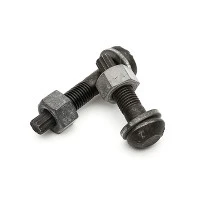
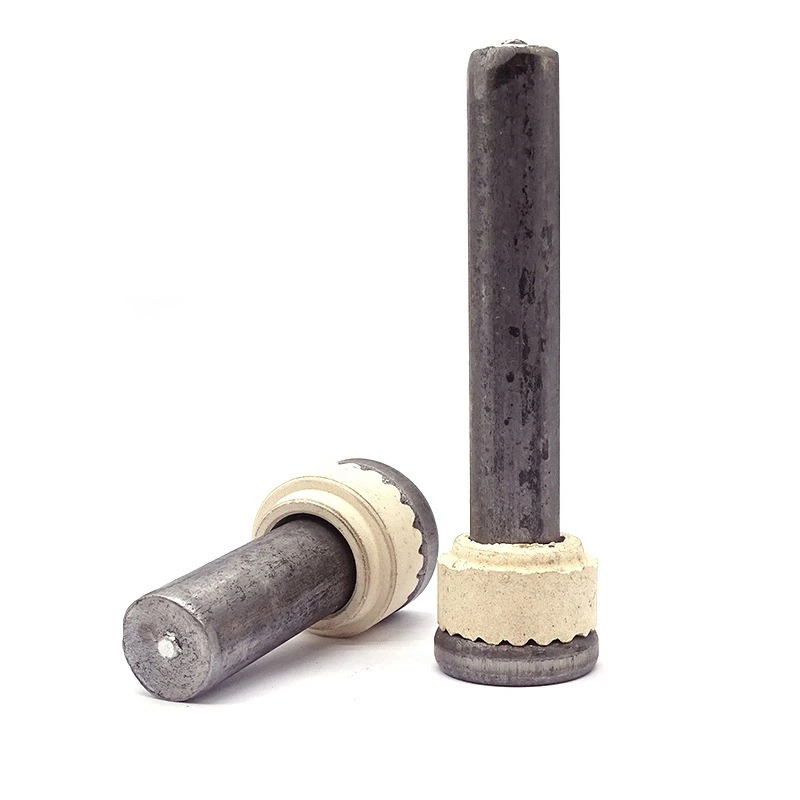
Hey there! As a supplier of Shear Connector Studs, I've seen firsthand the importance of controlling heat transfer through these little but mighty components. Today, I'm gonna share some tips and insights on how to manage heat transfer effectively with Shear Connector Studs.
Understanding the Basics of Heat Transfer in Shear Connector Studs
Before we dive into the control methods, let's quickly go over how heat transfer works in Shear Connector Studs. Heat can be transferred through three main mechanisms: conduction, convection, and radiation.
Conduction is the transfer of heat through a solid material. In the case of Shear Connector Studs, heat can travel from one end of the stud to the other if there's a temperature difference. Convection involves the transfer of heat through a fluid (like air or water). If the studs are exposed to a moving fluid, heat can be carried away. Radiation is the transfer of heat in the form of electromagnetic waves.


Factors Affecting Heat Transfer in Shear Connector Studs
Several factors can influence how much heat is transferred through Shear Connector Studs.
- Material Properties: The material of the stud plays a big role. Metals are generally good conductors of heat. For example, steel studs can conduct heat quite efficiently. If you want to reduce heat transfer, you might consider using materials with lower thermal conductivity, like certain alloys or composite materials.
- Stud Design: The shape and size of the stud also matter. A stud with a larger cross - sectional area will conduct more heat than a smaller one. Additionally, the length of the stud can affect heat transfer. Longer studs may have a greater temperature gradient, which can lead to more heat being transferred.
- Surrounding Environment: The temperature and fluid flow around the studs can have a significant impact. If the studs are in a high - temperature environment or are exposed to a fast - moving fluid, heat transfer will be more rapid.
-
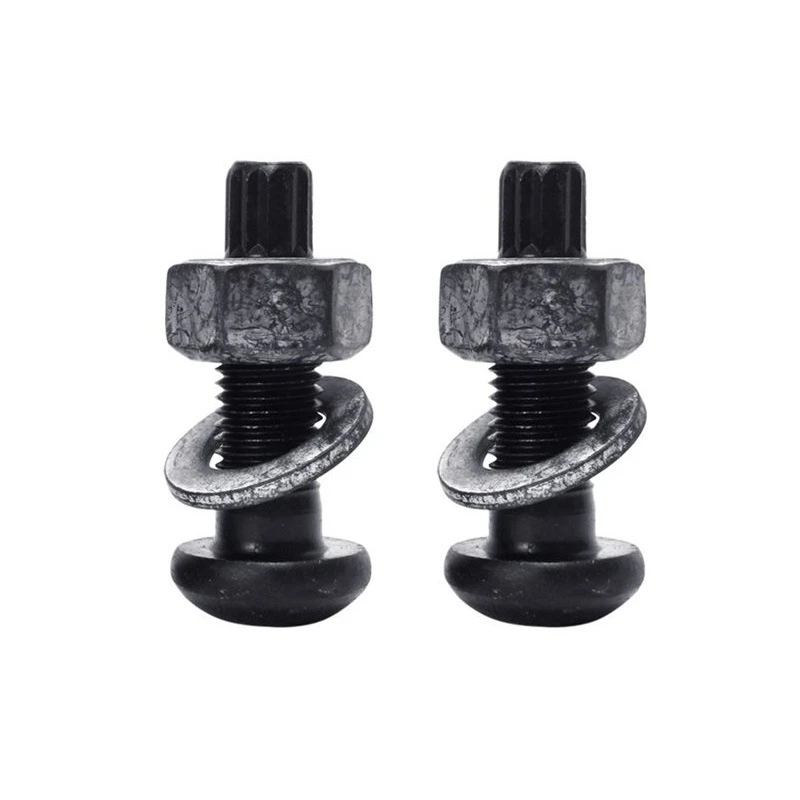
Methods to Control Heat Transfer
Material Selection
As I mentioned earlier, choosing the right material is crucial. If you're looking to minimize heat transfer, you can opt for materials with low thermal conductivity. Some advanced composite materials have excellent insulating properties. These materials can act as a barrier to heat conduction, reducing the amount of heat that passes through the stud.
For example, ceramic - based composites can be a great option. They have relatively low thermal conductivity compared to metals. By using ceramic - coated studs or studs made from ceramic composites, you can effectively control heat transfer.
Insulation
Adding insulation around the Shear Connector Studs is another effective way to control heat transfer. Insulating materials, such as fiberglass or foam, can be wrapped around the studs. These materials work by reducing the rate of heat conduction and convection.
Fiberglass insulation is a popular choice because it's lightweight and easy to install. It can be cut to fit the studs and provide a layer of protection against heat transfer. Foam insulation, on the other hand, can fill in any gaps around the studs, creating a more airtight seal and further reducing heat loss.
Design Modifications
You can also modify the design of the Shear Connector Studs to control heat transfer. One approach is to add fins or ridges to the stud. These features increase the surface area of the stud, which can enhance heat dissipation through convection.
Another design modification is to use a stud with a hollow core. A hollow stud has less material for heat to conduct through, which can reduce heat transfer. Additionally, the air inside the hollow core can act as an insulator.
Real - World Applications
Let's take a look at some real - world scenarios where controlling heat transfer through Shear Connector Studs is important.
In a building's steel structure, Shear Connector Studs are used to connect steel beams and concrete slabs. If heat transfer is not controlled, it can lead to thermal expansion and contraction, which can cause structural damage over time. By using the methods we've discussed, such as insulation and material selection, we can ensure the long - term stability of the structure.
In industrial settings, like power plants or manufacturing facilities, Shear Connector Studs are often exposed to high temperatures. Controlling heat transfer is essential to prevent overheating and ensure the proper functioning of equipment.
Related Products
If you're in the market for other steel - related products, we also offer Heavy Duty Structural Bolts for Steel Connections A325 / A490 Heavy Hex Bolt Supplier and DIN975 Full Thread Rod Supplier for Steel Structure. These products, along with our Shear Connector Stud, can provide a comprehensive solution for your steel construction needs.
Conclusion
Controlling heat transfer through Shear Connector Studs is essential for ensuring the safety and efficiency of various structures and applications. By understanding the factors that affect heat transfer and implementing the right control methods, we can make the most of these important components.
If you're interested in purchasing Shear Connector Studs or have any questions about heat transfer control, feel free to reach out. We're here to help you find the best solutions for your projects.
References
- "Heat Transfer Principles and Applications" by Frank P. Incropera, David P. DeWitt, Theodore L. Bergman, and Adrienne S. Lavine.
- "Steel Structures: Design and Behavior" by S. Ronald Furlong.